
Fitness Smart Ring Sleep Tracking Selection
A fitness smart ring for sleep tracking should be judged by whether it maintains a secure fit, stable sensor contact, understandable app interpretation, and comfortable overnight wear. These selection criteria provide a safer decision frame than promotional rankings because accuracy is conditional on consistent data collection. Fit, sensor reliability, app interpretation, and comfort are the governing criteria.
A sleep-focused buyer needs a ring that remains stable and comfortable through the night rather than one selected mainly for daytime features. Comfort-led selection prioritises low-pressure skin contact and consistent wear, while accuracy-led selection prioritises secure finger placement, stable sensor contact, and clearly presented trends. A fitness smart ring offers greater sleep tracking value when both conditions support regular overnight wear.
Sleep stages, a sleep score, and recovery tracking are interpreted outputs rather than identical measurements across every wearable ring. Their practical value is higher when the app separates nightly changes from longer-term trends and explains how each result was derived. Accuracy should therefore be treated as conditional: stable sensor contact and consistent wear support better data quality, while sleep-stage precision and recovery interpretation remain limited by the device and its app.
A fitness smart ring combines sleep tracking with broader activity and recovery features, but this page keeps the selection decision centred on overnight use. The fitness smart ring guide provides the wider category context, while sleep-focused selection narrows the criteria to fit, comfort, sensor reliability, and app interpretation.
The next step is to examine what a sleep tracking ring measures, which outputs are direct signals or interpreted scores, and how those distinctions affect the value of recovery tracking.
What sleep tracking means in a fitness smart ring
Sleep tracking in a fitness smart ring is the overnight measurement and interpretation of signals related to sleep timing, sleep quality, and recovery context. The diagram below clarifies how measured overnight signals become app-based sleep metrics, while consumer tracking remains guidance-oriented rather than a clinical assessment.
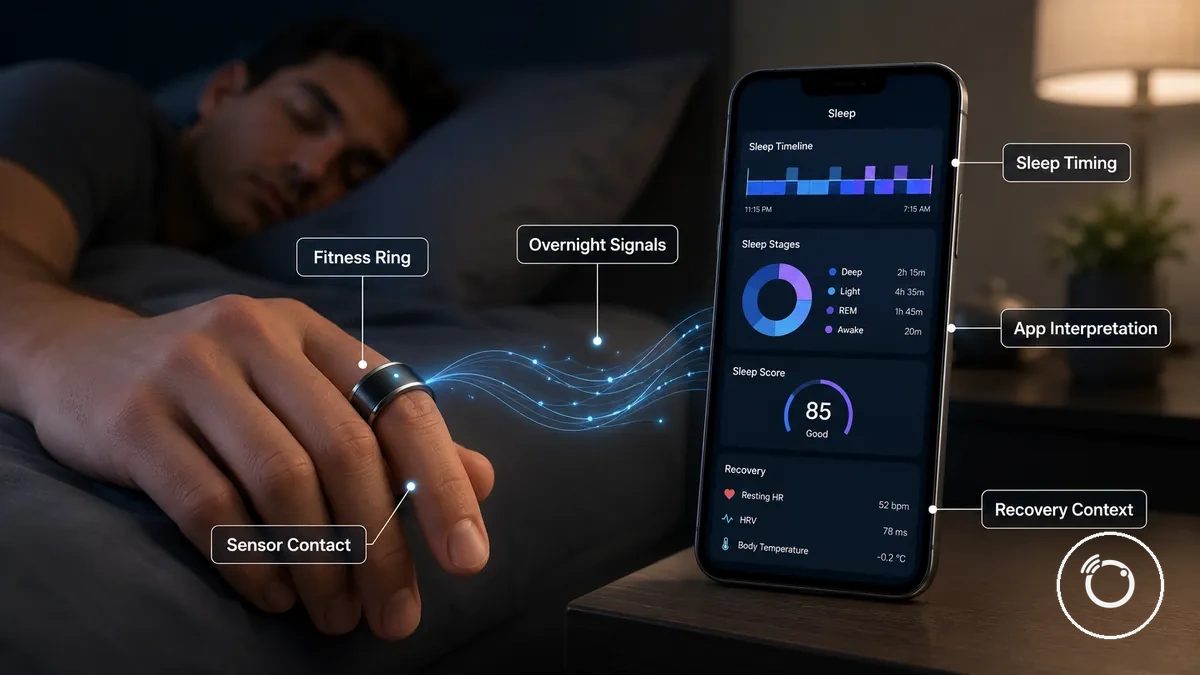
A fitness smart ring collects movement and physiological overnight signals supported by its device design. Stable sensor contact keeps those signals available during wear, while interrupted contact can reduce data completeness. App interpretation converts the collected signals into sleep-related estimates, which may include sleep timing, sleep quality indicators, and recovery context according to the ring’s available sensors and methodology.
Sleep tracking can help indicate whether a user’s sleep pattern is consistent, disrupted, shorter, or different from the usual trend. The meaning of each output is conditional on device design, sensor contact, and app interpretation, so sleep metrics should be used for trend guidance rather than as direct clinical measurements.
Sleep metrics and recovery signals used overnight
Sleep metrics and recovery signals used overnight connect measured physiological signals with app interpretation to support trend awareness and selection decisions. The image and table below organise each metric by its source signal, likely use, and decision limitation. Model capability ranges from movement and heart-rate tracking to broader sensor sets that also include temperature or blood oxygen.
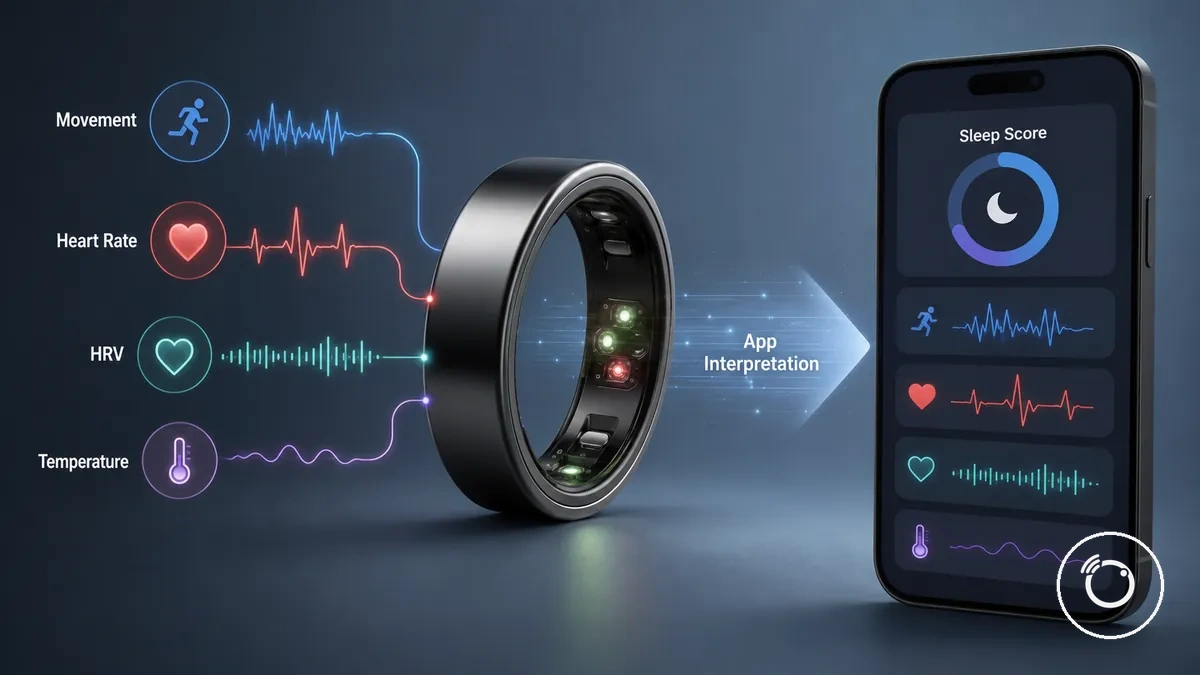
Sleep metrics are app-generated outputs based on measured signals rather than direct observations of sleep itself. Movement, heart rate, HRV, temperature, and blood oxygen are source signals, while sleep duration, sleep stages, sleep score, and recovery context are interpreted outputs. The available output reflects the ring’s sensor set and the app’s calculation method, so the table separates each source signal from its decision value and limitation.
| Metric | Source signal | Likely use | Decision limitation |
|---|---|---|---|
| Sleep duration | Movement and timing signals | Track total overnight sleep trend | Does not indicate sleep quality by itself |
| Sleep stages | Movement, heart rate, and related physiological signals | Estimate sleep-stage patterns | Represents an app estimate rather than direct clinical measurement |
| Sleep score | Combined overnight metrics | Summarise overall sleep trend | Uses an app-specific scoring method, which limits direct comparison between models |
| HRV | Variation between heartbeats | Support recovery trend and readiness awareness | Provides trend context rather than a standalone recovery conclusion |
| Heart rate | Optical heart-rate sensing | Show resting overnight patterns | Supports pattern tracking rather than diagnosis |
| Temperature | Skin temperature sensing | Identify overnight variation on models with temperature sensing | Shows relative change rather than core body temperature |
| Blood oxygen | Optical oxygen sensing | Provide overnight oxygen estimates on models with oxygen sensing | Represents a consumer estimate rather than a clinical assessment |
| Movement | Motion sensors | Indicate restlessness and support sleep-timing estimates | Cannot explain sleep quality or recovery without other signals |
These metrics are most useful when interpreted together rather than in isolation. Comparing measured signals with app-generated outputs shows why sleep tracking metrics support recovery-trend awareness instead of medical conclusions, helping users select a fitness smart ring with the sensor categories and app outputs that match their priorities.
Sleep stages, sleep score, and readiness context
Sleep stages, sleep score, and readiness are app interpretation outputs that summarise nightly data rather than direct measurements of sleep itself. The image below shows how these outputs combine overnight signals into stage labels, a nightly score, and recovery context. Their main value is conditional trend tracking across repeated nights.
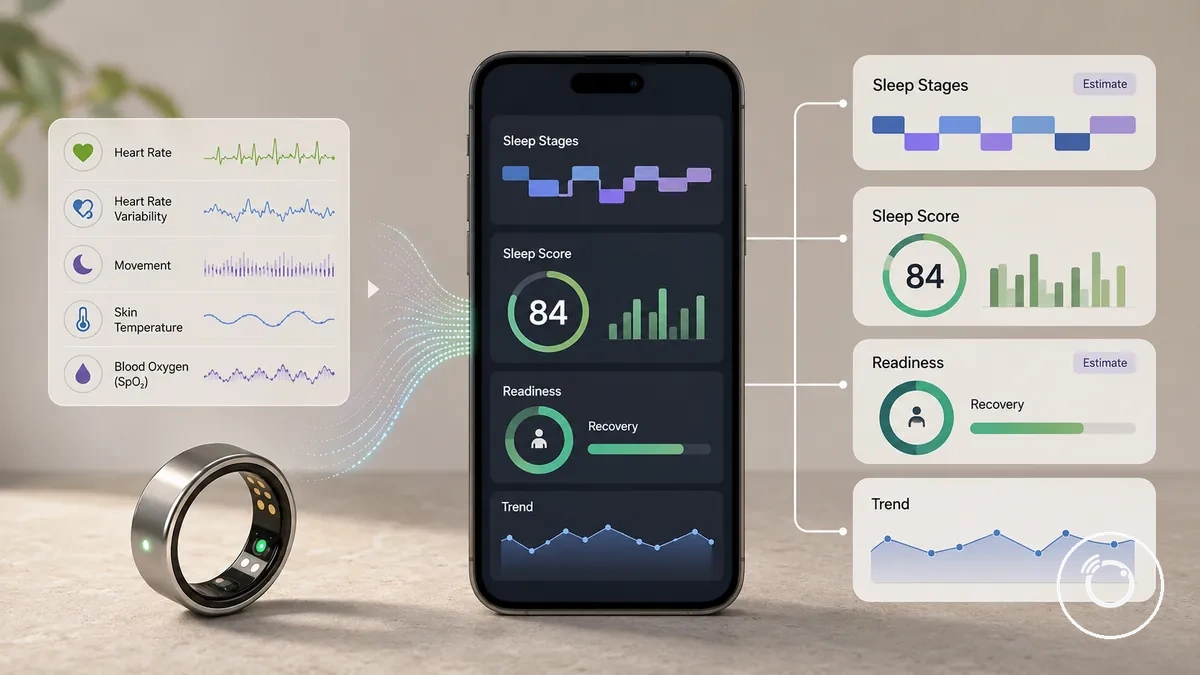
- Sleep stages: Stage labels estimate sleep patterns from overnight signals and movement. Confidence is limited because variation in the measured signals and app method can change the estimate.
- Sleep score: A sleep score combines selected nightly metrics into one summary. Its meaning is app-specific, so the score is more useful for tracking trend and variation within the same app than for direct comparison with a different scoring system.
- Readiness: Readiness or a readiness score combines sleep-related information with recovery context. It can help interpret whether recent nightly data follows a stronger, weaker, or stable recovery trend.
- Limitation: Sleep stages, sleep score, and readiness support decision usefulness through trends, but they do not provide exact certainty about an individual sleep stage or recovery state.
Reading these outputs together can help users identify repeated patterns instead of reacting to one nightly score. The practical decision value is greater when the same app interpretation is compared over time and changes are treated as estimates rather than definitive conclusions.
Heart rate, HRV, temperature, oxygen, and movement signals
Heart rate, HRV, temperature, oxygen, and movement are input signals that support sleep and recovery interpretation rather than conclusions by themselves. The image below shows how each signal contributes to an overnight trend while remaining separate from any medical assessment. These signals feed interpretation, while the app combines them into broader sleep insights.
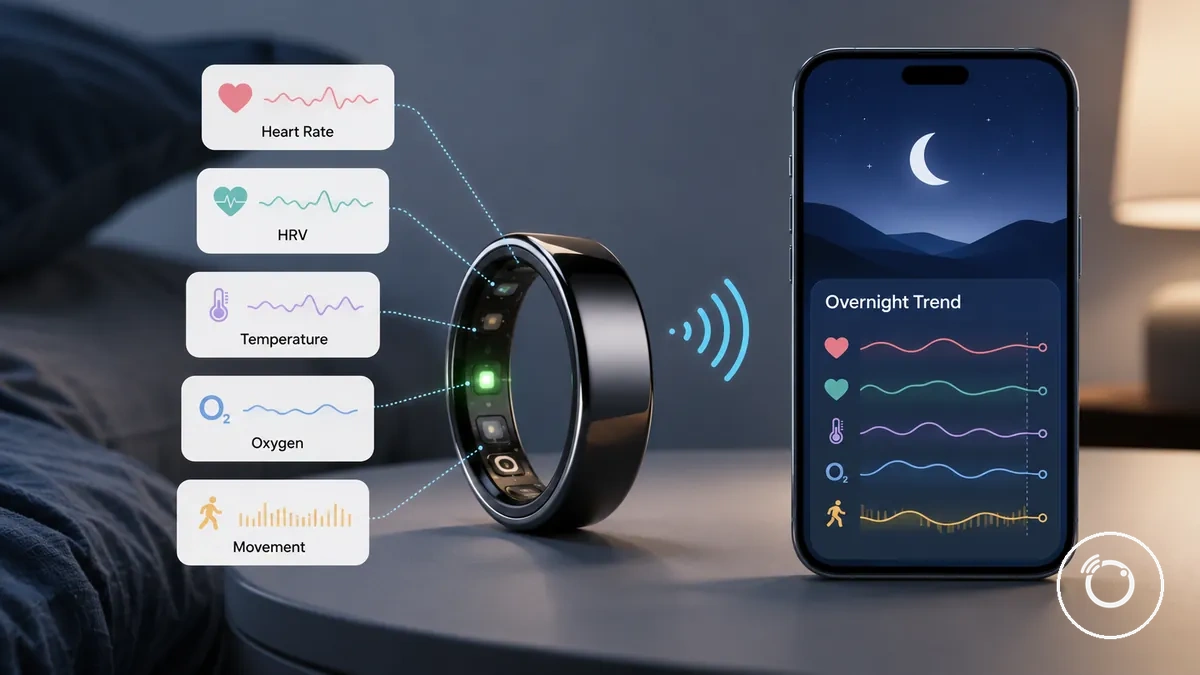
- Heart rate: The overnight pulse trend supports recovery interpretation by showing changes across repeated nights, but a single night's value does not determine recovery.
- HRV: Heart-rate variability reflects variation between heartbeats. An overnight trend can suggest changes in recovery interpretation or strain, but it should be assessed over time rather than from one reading.
- Temperature: A skin temperature trend can contribute to identifying an overnight temperature shift. Temperature sensing is available only on models that include the required sensor.
- Oxygen: Blood oxygen data can provide additional overnight context on supported models. Oxygen sensing is a model variation, so fitness smart rings without this sensor continue to provide sleep tracking using other available signals.
- Movement: Motion patterns support sleep estimates by identifying restlessness and periods of activity. Movement contributes to interpretation but does not explain sleep quality on its own.
Recovery interpretation becomes more meaningful when these signals are considered together because each contributes a different type of overnight information. Model variation determines which signals are available, so the interpretation reflects the sensor combination provided by the specific fitness smart ring.
Accuracy limits for smart ring sleep tracking
Smart ring sleep tracking accuracy is conditional rather than fixed. Accuracy varies by sensor contact, algorithm interpretation, user movement, signal quality, and the type of sleep metric being estimated. The table below organises these factors to show why accuracy changes under different conditions.
Fit and placement affect signal quality because the sensors require stable skin contact throughout the night. When the ring maintains consistent contact, the algorithm receives higher-quality data for sleep tracking. If movement or poor placement interrupts the signal, measurement reliability can weaken, reducing confidence in the interpretation of that night's data. For this reason, buying confidence is stronger when a ring consistently maintains reliable signal quality.
Trend accuracy and sleep-stage accuracy are different decision signals. Night-to-night trends are generally more dependable for recognising ongoing patterns, while sleep stages remain algorithm estimates that become less reliable when signal quality or movement reduces the available data. This distinction helps set realistic expectations without treating stage labels as precise measurements.
When comparing devices, use trend reliability as the primary selection criterion and treat sleep-stage estimates as supporting information. For broader guidance on comparing sleep tracking accuracy, consider how different models balance sensor quality, fit, and algorithm interpretation rather than expecting identical performance across every metric.
| Accuracy factor | Condition that affects it | Stronger signal | Selection implication |
|---|---|---|---|
| Fit | Ring stays stable on the finger overnight | Consistent measurements | Higher confidence in long-term trends |
| Sensor contact | Continuous skin contact throughout sleep | Higher signal quality | Supports more reliable sleep tracking |
| Algorithm interpretation | Sleep stages are estimated from available signals | More consistent input data | Stage labels remain estimates |
| Movement | Lower overnight movement preserves signal stability | Cleaner overnight data | Improves confidence in trend interpretation |
| Metric type | Trend analysis compared with sleep-stage estimation | Night-to-night trend reliability | Judge trends separately from stage precision |
Sensor contact, finger placement, and night-to-night data quality
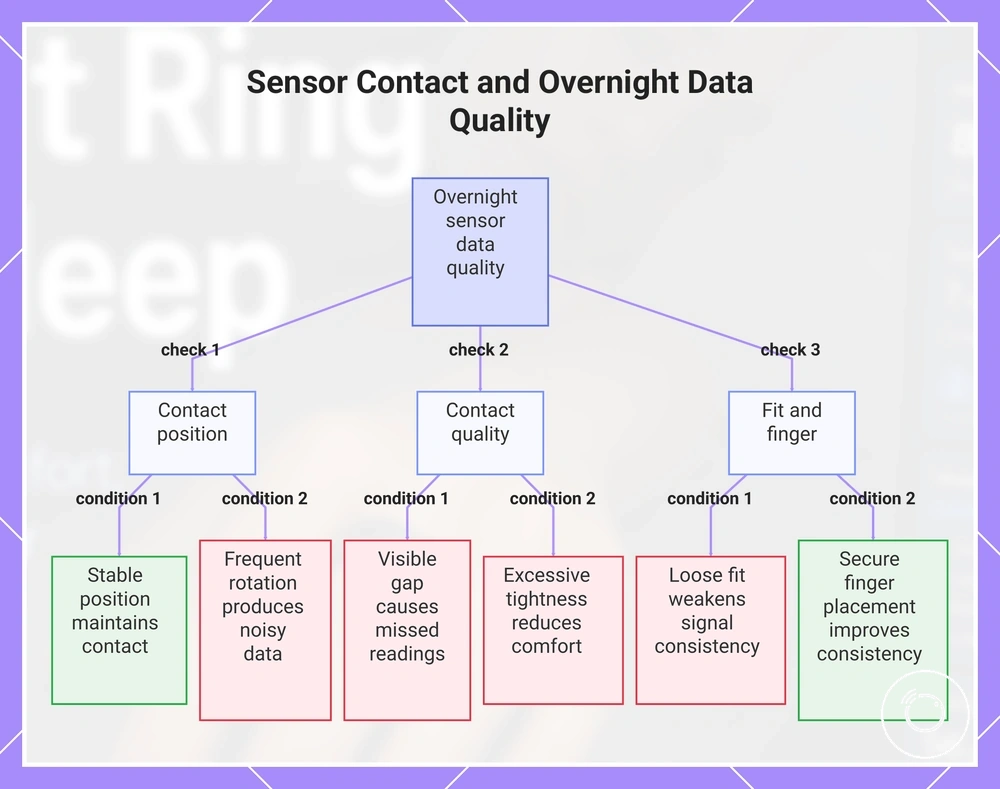
Sensor contact and finger placement influence overnight data quality because stable contact supports stronger signal consistency. Fit stability is higher when the ring stays in position without excessive tightness, rotation, or a gap between the sensors and skin. When contact becomes intermittent, missed readings or noisier data may result.
Rotation can move the sensing surface away from its intended contact point, while a gap can interrupt the signals collected during sleep. Excessive tightness may reduce overnight comfort, but a loose ring may shift more often and weaken trend reliability. Finger choice also matters when differences in shape or movement affect how securely the ring remains positioned. Use these checks to connect each physical condition with its likely data effect:
- Stable position: A ring that remains centred is more likely to maintain consistent sensor contact and support stable overnight trends.
- Frequent rotation: A ring that turns during sleep may move away from its intended sensing position and produce noisy data.
- Visible gap: Space between the sensing surface and skin may interrupt contact and contribute to missed readings.
- Excessive tightness: A restrictive fit may reduce comfort during overnight wear even when sensor contact remains stable.
- Loose fit: A comfortable but loose ring can shift with hand movement, reducing signal consistency across the night.
- Finger placement: A finger that holds the ring securely with less movement may support more consistent data than a position where the ring rotates or lifts.
For example, a ring may feel comfortable when worn loosely but still rotate enough during sleep to create gaps in sensor contact and less reliable overnight data. Treat overnight fit and finger placement as data-quality criteria: the preferred condition is secure, comfortable contact that keeps the sensing surface stable without restrictive tightness.
This chart maps how different sensor contact and fit conditions affect overnight data quality, helping diagnose noisy readings or missed data.
Sleep stage estimates versus clinical sleep measurement
Sleep stage estimates from a consumer smart ring are app interpretations rather than clinical sleep measurements. Both describe sleep, but they use different measurement methods and should not be treated as equivalent. For selection expectations, sleep stage estimates are most useful for understanding overnight trends within their intended reliability and limitations.
A consumer smart ring estimates sleep stages by interpreting signals collected during overnight wear, while clinical sleep measurement uses different methods for clinical evaluation. Because the measurement basis differs, the expected reliability also differs. Consumer estimates can support long-term pattern tracking, but they are not intended to provide the same level of certainty as clinical sleep measurement. The comparison below highlights the practical distinction.
| Consumer ring estimate | Clinical sleep measurement |
|---|---|
| Scope: Provides sleep stage estimates for everyday sleep tracking. | Scope: Evaluates sleep using clinical measurement methods. |
| Measurement basis: App interpretation of signals collected by a consumer smart ring. | Measurement basis: Clinical measurement methods designed for clinical assessment. |
| Practical use: Helps identify night-to-night patterns and supports personal sleep awareness. | Practical use: Supports clinical evaluation when appropriate. |
| Limitation: Reliability is intended for consumer guidance and may be influenced by signal quality and overnight conditions. | Limitation: Results should not be treated as directly comparable with consumer sleep stage estimates because the measurement purpose differs. |
When comparing smart rings, treat sleep stage estimates as a consumer feature for tracking patterns rather than as a substitute for clinical sleep measurement. Keeping this distinction in mind supports more realistic selection expectations.
Overnight comfort and wearability factors
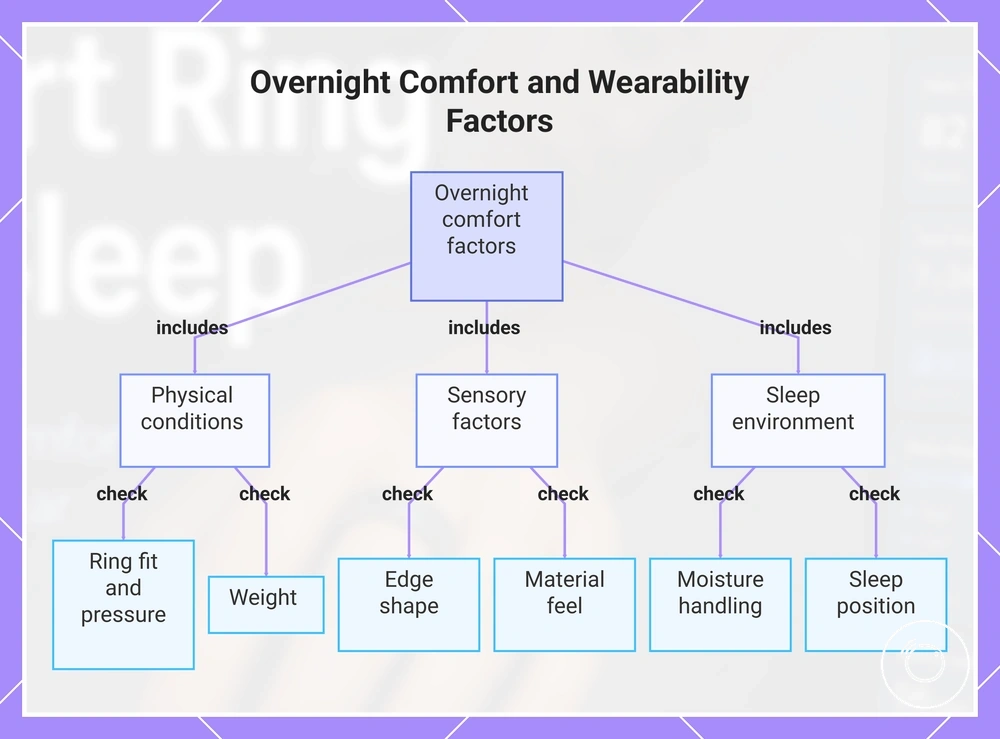
Overnight comfort affects whether a fitness smart ring remains on the finger long enough to capture consistent sleep data. Wearability is stronger when the ring design feels unobtrusive during normal movement and sustained skin contact. The suitable condition is a secure, tolerable overnight fit for the individual finger, sleep position, humidity level, and sensitivity.
A ring that feels acceptable while awake may become more noticeable when the hand rests beneath a pillow or against the body. Weight, edge shape, pressure, and material feel can increase awareness during sleep, while trapped moisture may make prolonged skin contact less comfortable. If discomfort leads to adjustment or overnight removal, data continuity may be interrupted. Use this checklist to judge whether the design supports consistent overnight wear:
- Ring size and pressure: A secure fit that avoids restrictive pressure can support wear consistency, while a fit that pinches or shifts may encourage adjustment or removal.
- Weight: A less noticeable weight may improve long-wear comfort, while a ring that feels heavy on the finger may become more distracting during sleep.
- Edge shape: Smooth, unobtrusive edges may reduce pressure awareness, while pronounced edges can feel more noticeable against adjacent fingers or bedding.
- Material feel: A surface that remains comfortable during prolonged contact can support overnight wear, while an unpleasant material feel may reduce wear consistency for sensitive users.
- Moisture handling: A condition that limits trapped moisture around the ring may improve sleep comfort, while humidity or perspiration can increase skin awareness and removal risk.
- Sleep position: A design that remains unobtrusive when the hand is under a pillow or against the body may support data continuity, while pressure from the sleeping position can make the ring more noticeable.
Comfort conditions affect sleep tracking through wear continuity rather than by changing the measurement method. A fitness smart ring that remains comfortably in place is more likely to preserve uninterrupted overnight data, whereas repeated adjustment or removal creates gaps in data continuity.
For a side sleeper who places a hand beneath the pillow, edge shape and pressure may matter more than they do for someone whose hands remain free. Selection should therefore reflect the conditions in which the ring will actually be worn overnight rather than a universal comfort claim.
This chart groups the main factors that affect overnight comfort and wearability of a fitness smart ring, organized into physical, sensory, and environmental categories.
Thickness, weight, edges, and sleep position comfort
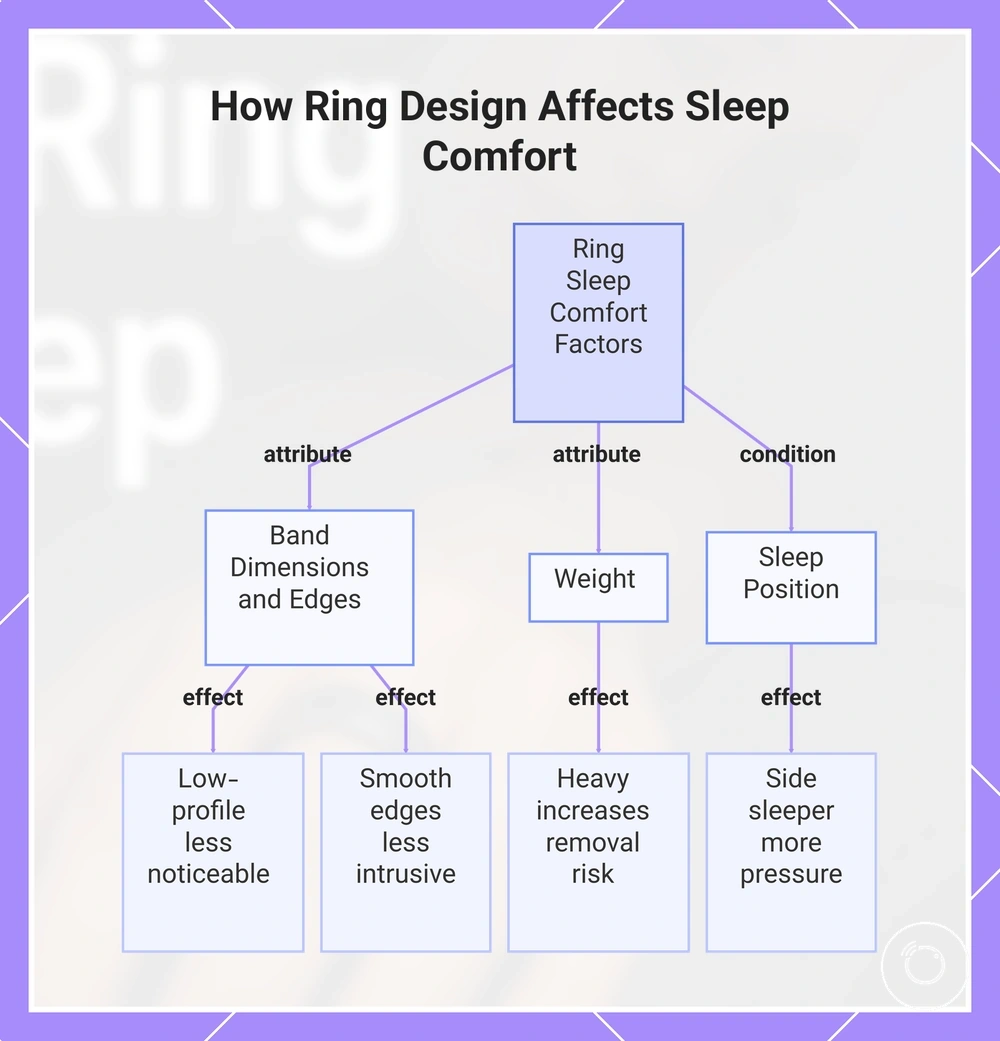
Thickness, weight, and edges affect comfort by changing the pressure and awareness a ring creates during sleep. A low-profile design is usually less noticeable than a bulky ring when the hand rests against bedding or the body. The comfort outcome is shaped by finger sensitivity and sleep position.
For a side sleeper or anyone who places a hand beneath a pillow, overnight pressure can make ring dimensions more noticeable. A thick band or raised edge may create a local pressure point, while a heavy body may increase awareness and removal risk. The main design-to-comfort relationships are:
- Thickness: A thicker band can feel bulkier when the finger presses against bedding, while a low-profile design may reduce awareness in the same sleep position.
- Weight: A heavier ring body may remain more noticeable during overnight wear, increasing removal risk for users who are sensitive to weight on the finger.
- Edges: Raised or pronounced edges can concentrate pressure where the ring contacts adjacent fingers, bedding, or skin, while smoother edges may feel less intrusive under the same condition.
- Sleep position: A position that places the ring beneath a pillow or against the body can increase pressure and awareness compared with a position where the hand remains unrestricted.
- Ring profile: A low-profile design may create a lower comfort burden during sleep, while a bulky ring may produce stronger awareness for users who notice finger pressure easily.
This chart shows the main design factors—thickness, weight, edges, and sleep position—that influence ring comfort during sleep.
Skin comfort, moisture, and safe overnight wear
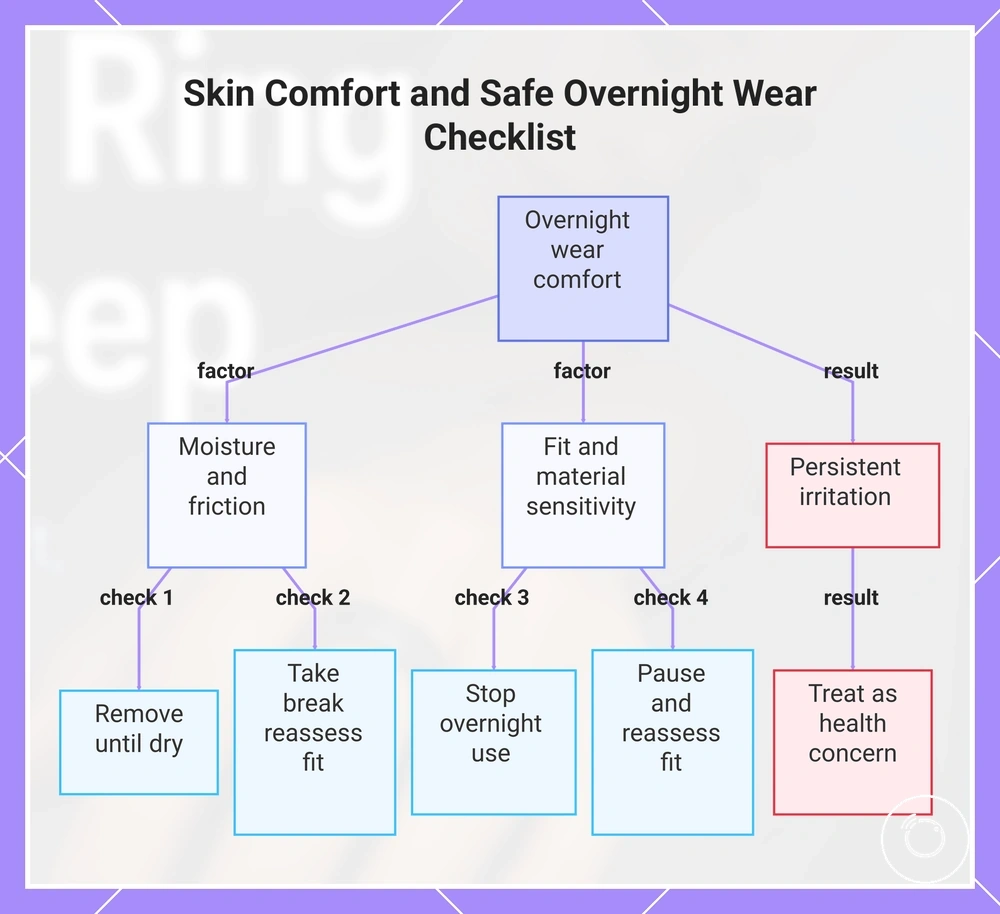
Skin comfort affects whether a fitness smart ring can be worn consistently throughout the night. Moisture, friction, and fit pressure can increase irritation risk under certain skin-contact conditions. Safe overnight wear requires a fit that remains comfortable without persistent pressure or discomfort.
Moisture trapped beneath the ring can soften the skin surface and increase friction during movement, while excessive tightness can concentrate pressure at the contact area. Material sensitivity may also affect comfort when a particular surface causes repeated discomfort during overnight wear. If irritation or discomfort develops, a wear break is more appropriate than continuing to wear the ring. Use this mini-checklist to guide the decision:
- Moisture trapping: If the skin remains damp beneath the ring, remove it until the skin and ring are dry before resuming overnight wear.
- Friction: If repeated movement causes rubbing or discomfort, take a wear break and reassess how the ring sits on the finger.
- Material sensitivity: If discomfort appears consistently after contact with the same ring material, stop overnight use until the material or fit condition is evaluated.
- Tightness: If the ring feels restrictive or leaves persistent pressure marks, pause overnight wear and reassess the fit.
- Persistent irritation: If irritation continues after a wear break, treat it as a health or fit concern rather than a sleep tracking performance issue.
Persistent irritation belongs to health or fit evaluation rather than sleep tracking performance alone. Review the dedicated guidance on skin comfort during overnight wear before resuming regular use.
This chart shows the key conditions affecting skin comfort during overnight smart ring wear and the recommended actions when irritation occurs.
Battery, app, and subscription checks for sleep use
Sleep-use value depends on whether battery life, app access, and subscription terms support reliable overnight tracking with minimal interruption. A fitness smart ring offers stronger long-term usefulness when it can collect, sync, and help interpret sleep data without unnecessary friction. The suitable cost-value condition is an ecosystem that matches how you plan to review, retain, and use that information.
Battery life affects whether overnight tracking fits naturally into a charging routine. An adequate overnight battery margin allows the ring to complete a sleep session without charging immediately before bed, while a limited margin requires more deliberate charging to reduce missed sessions. Once the sleep data is collected, app access determines how easily it can be reviewed.
App clarity affects how easily sleep data and recovery trends can be interpreted over time. Platform access determines whether the app supports the mobile operating system you use, while a subscription may be required for particular insights or paid features. Use the following checks to assess whether the ecosystem supports reliable long-term sleep use.
| Check | Why it matters for sleep use | Acceptable condition | Decision signal |
|---|---|---|---|
| Battery margin | Supports uninterrupted overnight tracking. | The available overnight battery margin can complete a normal sleep session without routine pre-sleep charging. | A suitable margin reduces the risk of missed overnight data. |
| Charging routine | Affects long-term tracking consistency. | Charging fits into daytime use without regularly interrupting overnight monitoring. | A predictable routine supports more consistent sleep tracking. |
| App access | Provides access to sleep data and recovery trends. | The app presents the required sleep information clearly on the supported platform. | Clear access supports regular interpretation of sleep results. |
| Subscription | Can limit access to particular insights or paid features. | The included and subscription-based features match the sleep information you expect to use. | Check which functions require ongoing payment before assessing long-term value. |
| Data export | Supports external analysis and retention of sleep records. | Export is available in a usable format when independent data access is important. | Prioritise export when data ownership or sharing is part of the intended use. |
| Platform access | Determines whether the ring ecosystem works with your mobile device. | The app supports the operating system and account access you intend to use. | Verify platform support before relying on the ecosystem for long-term sleep tracking. |
Users who want long-term recovery trends, exported data, or a no-subscription option should verify those conditions separately because feature access differs across ring ecosystems. These checks can affect long-term usefulness more than the ring hardware alone.
How to choose a fitness smart ring for sleep tracking
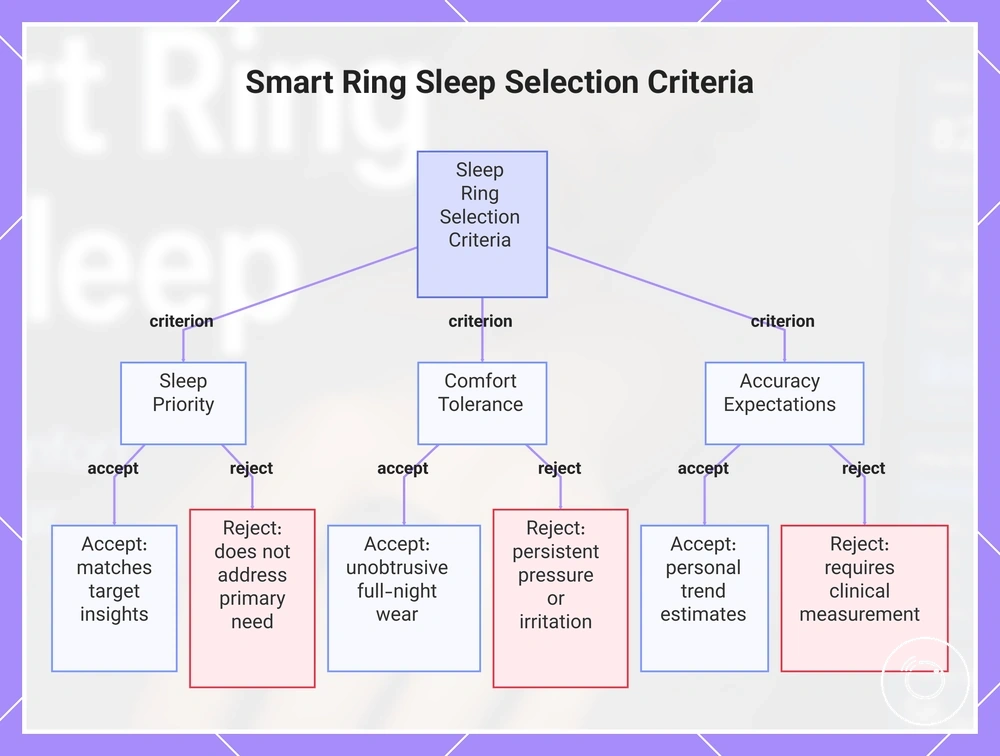
Choose a fitness smart ring for sleep tracking by matching its sleep features to your sleep priority, comfort tolerance, accuracy expectations, and app value needs. Compare options against these criteria before considering individual products. A suitable choice meets your required conditions without creating a clear rejection signal.
Comfort-first buyers should prioritise a ring that remains unobtrusive during a full night of wear and does not create persistent pressure or irritation. Buyers focused on recovery trends should prioritise consistent overnight data, understandable sleep scores, and app interpretation that supports trend review rather than isolated readings. Users considering a ring as a smartwatch replacement should verify that its screen-free experience still covers the health insights and daily functions they expect.
An acceptable buying fit exists when the ring can be worn consistently, records the sleep information you intend to use, and provides app access on your preferred platform. Poor fit, repeated battery friction, unclear app reporting, or a subscription mismatch are rejection signals because each condition can reduce long-term use. Accuracy expectations should also match the role of consumer sleep tracking: personal trend estimates rather than clinical measurement.
Use the following selection criteria to compare options. Each acceptable condition should support buying confidence, while any unresolved rejection signal should prompt further verification before choosing.
- Sleep priority: Accept the option when its sleep data and recovery trends match the insights you plan to review; reject it when the available reporting does not address that primary need.
- Comfort tolerance: Accept the option when its fit and profile support consistent overnight wear; reject it when pressure, movement, or skin discomfort repeatedly interrupts use.
- Accuracy expectations: Accept the option when estimated sleep patterns are suitable for personal trend tracking; reject it when you require clinical diagnosis or laboratory-grade sleep-stage measurement.
- App value: Accept the option when app clarity makes sleep scores, recovery trends, and supporting metrics easy to interpret; reject it when the information is difficult to access or does not support your intended review.
- Battery routine: Accept the option when charging fits into daytime use without regularly interrupting sleep tracking; reject it when battery friction is likely to create missed nights.
- Subscription fit: Accept the option when included and paid features align with your expected use; reject it when essential sleep insights require terms you do not want to maintain.
- Platform and data access: Accept the option when the app supports your device and any required data export; reject it when platform access or data ownership conditions conflict with your preferences.
A confident sleep-first choice meets the criteria that matter most to your intended use and has no unresolved fit, battery, app, or subscription barrier. Compare options by these decision signals rather than treating one fitness smart ring as suitable for every sleeper.
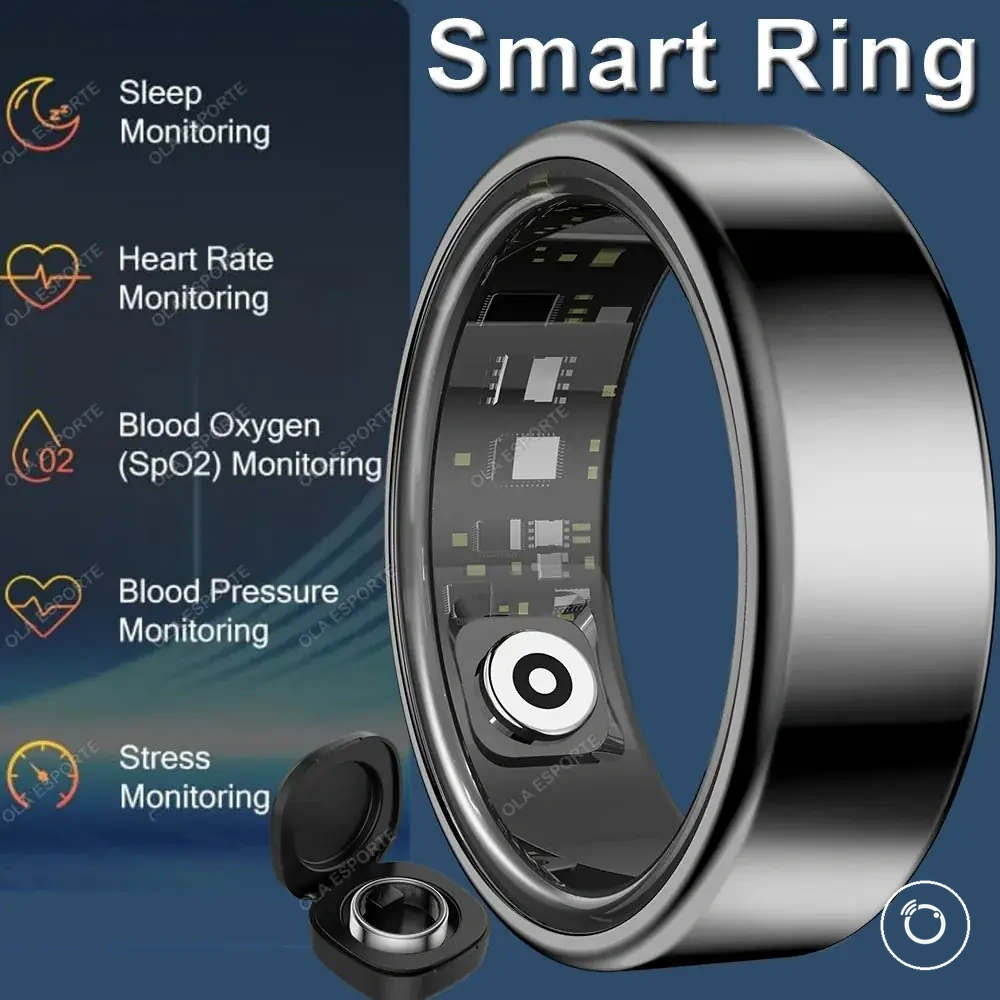
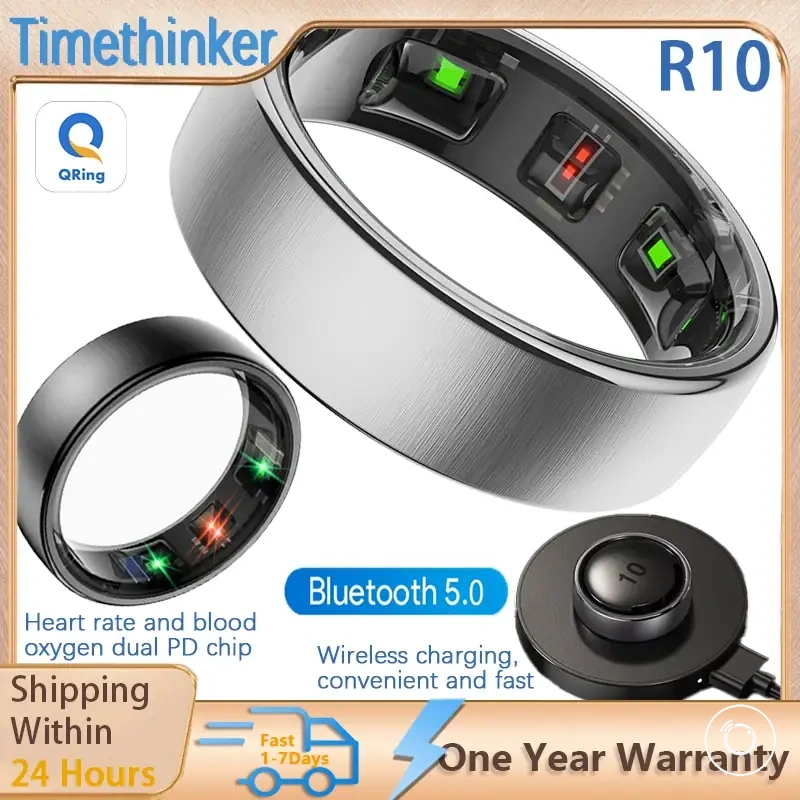
Here are product examples that may make comparison easier. Before buying, always review the compatibility criteria, essential features, and product details.
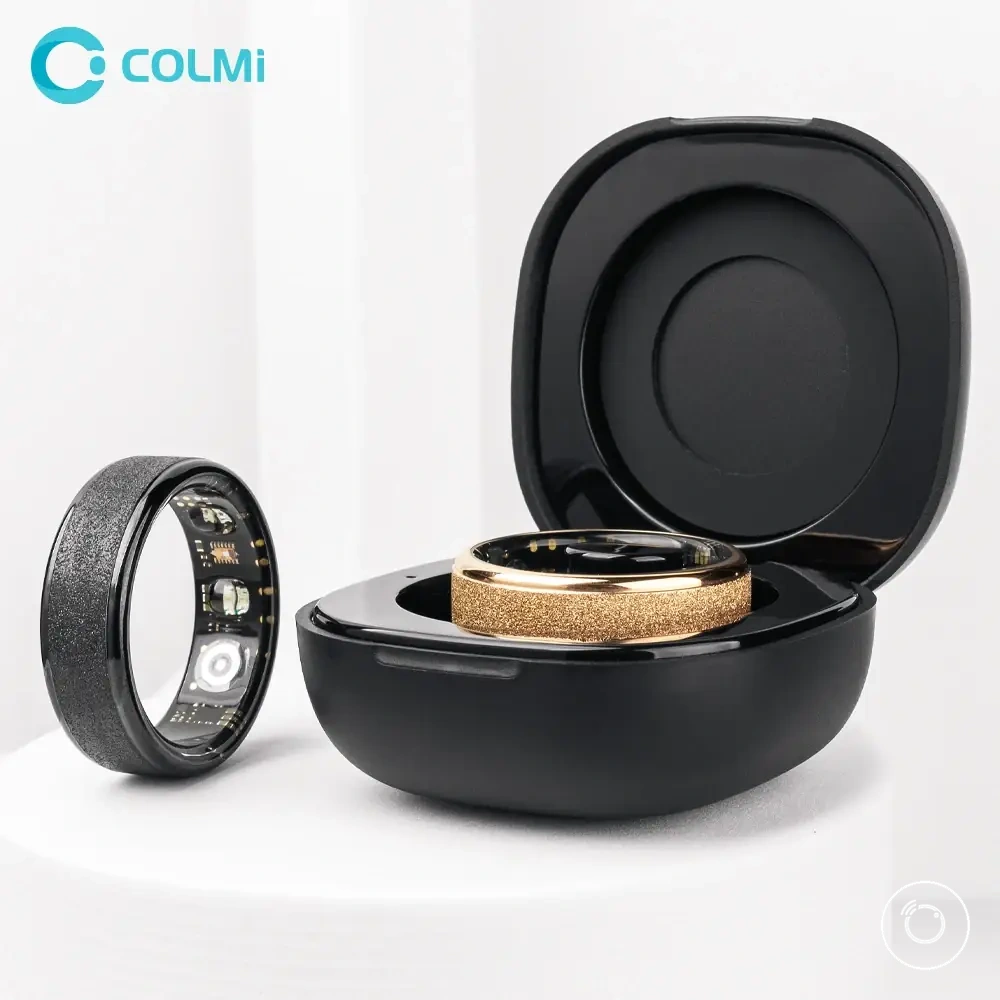
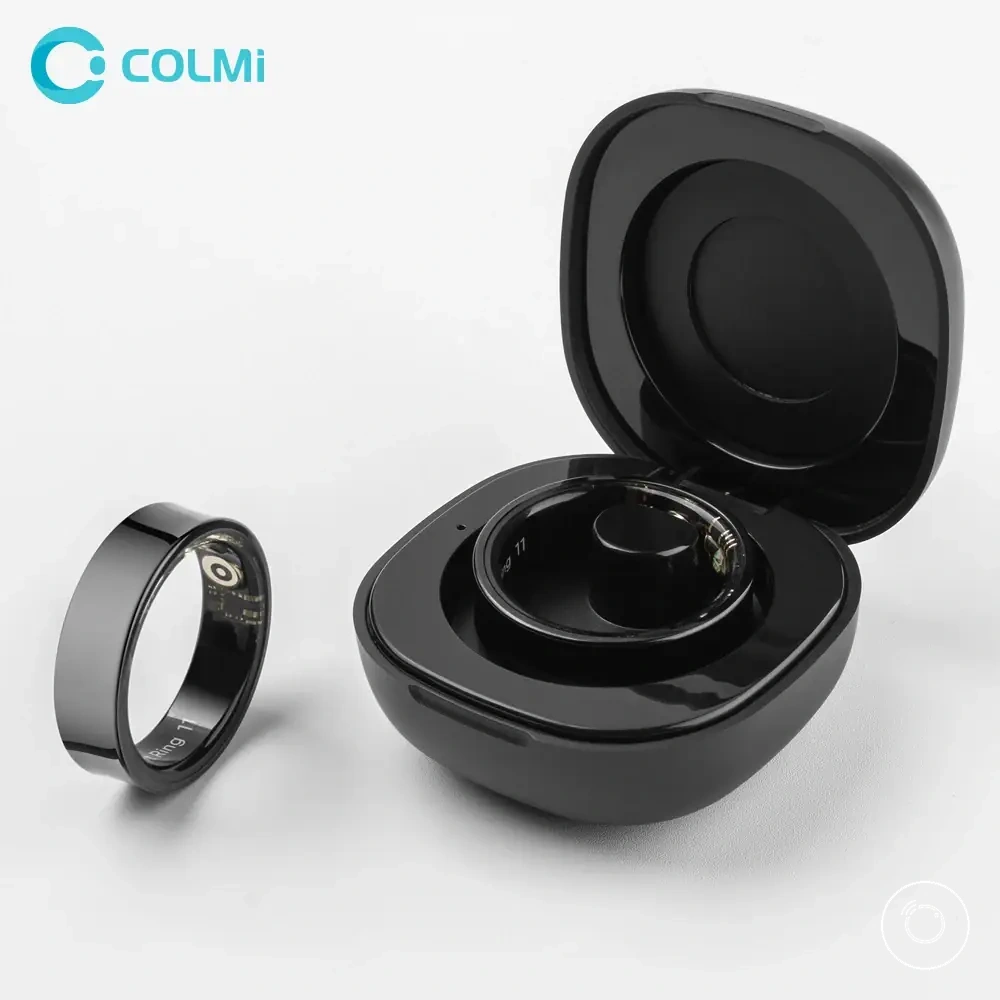
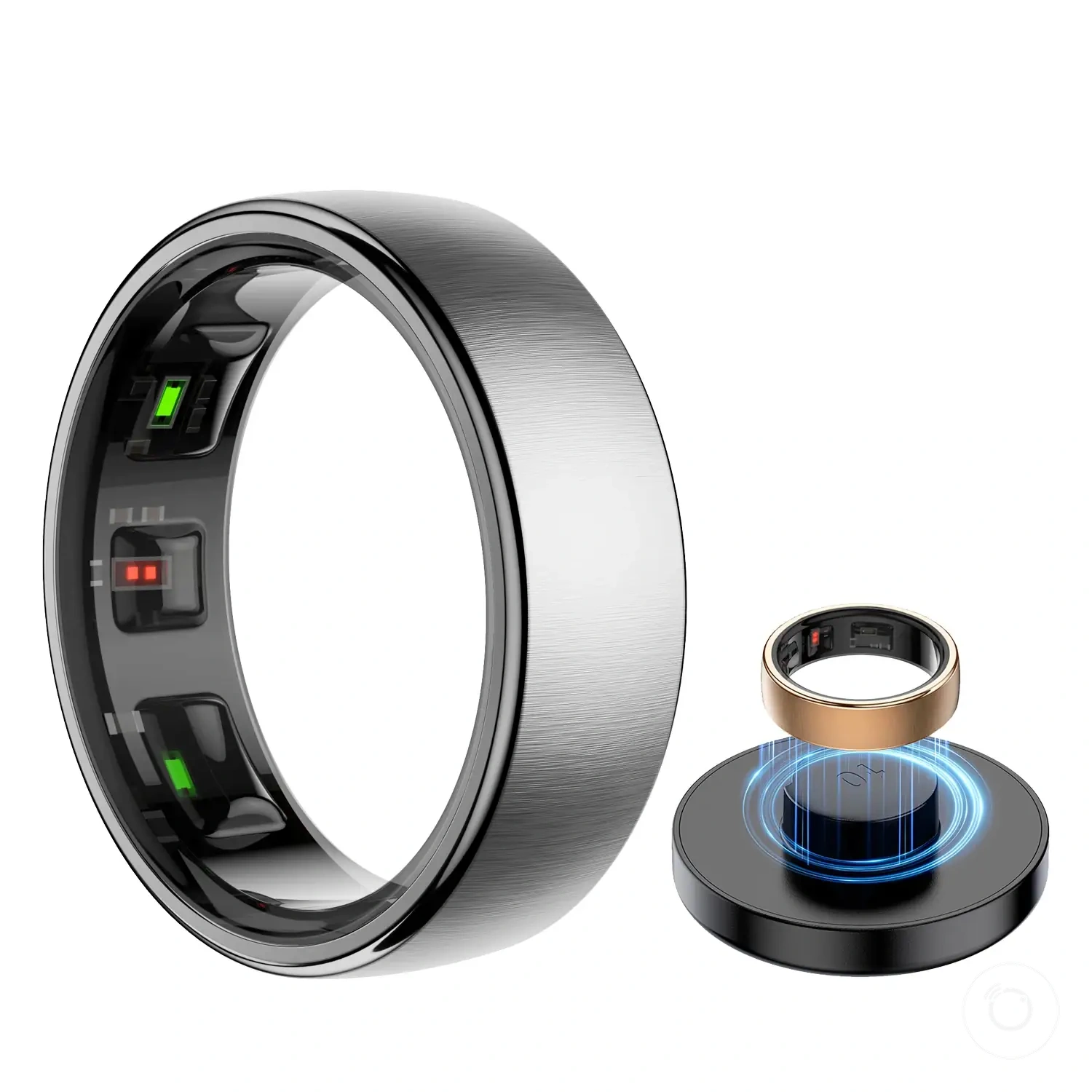
This chart shows three key criteria for choosing a fitness smart ring for sleep tracking, with accept and reject conditions for each.
Sleep-first criteria before comparing options
Sleep-first criteria filter out poor-fit choices before comparing options. A sleep-focused buyer should separate must-have conditions from nice-to-have features so unsuitable options are rejected early.
Stable fit, useful sleep metrics, battery suitability, recovery interpretation, and app cost should be checked together because weakness in one area can reduce long-term usefulness. An acceptable condition supports the buyer’s intended sleep use without creating repeated discomfort, missed nights, unclear insights, or unwanted ongoing cost. Use these pre-comparison checks as a compact decision filter.
- Stable fit: Treat overnight comfort without repeated pressure, movement, or irritation as a must-have; reject the option when consistent wear is unlikely.
- Useful sleep metrics: Require metrics that support the intended sleep review, such as sleep timing, sleep stages, sleep score, or recovery trends; treat extra metrics as nice-to-have when they do not affect the decision.
- Battery: Require enough battery capacity to complete normal overnight tracking within the buyer’s charging routine; reject the option when charging is likely to interrupt regular sleep use.
- Recovery interpretation: Require app reporting that explains sleep and recovery information clearly enough for trend review; reject the option when the data lacks usable interpretation.
- App cost: Require included features or subscription terms that match the buyer’s acceptable ongoing cost; reject the option when essential sleep insights require an unwanted payment condition.
- Nice-to-have features: Keep secondary features only when the must-have criteria are satisfied; do not let extras outweigh a rejection signal in fit, metrics, battery, interpretation, or cost.
When a sleep tracking ring fits better than a smartwatch
A sleep tracking ring may fit better than a smartwatch when comfort, a screen-free design, and passive overnight tracking are the main priorities. A smartwatch may still fit better when interactive features and workout priority matter more. The comparison therefore depends on comfort, screen preference, battery routine, and desired sleep metrics within the sleep-first use case.
A sleep tracking ring may suit users who are sensitive to wrist-worn devices, prefer to avoid a display at night, or can schedule charging outside their normal sleep period. A smartwatch may suit users who want sleep metrics alongside on-device workout controls, notifications, and broader daily interaction. The decision implication is to match each wearable to the user condition that carries the greatest weight.
| Sleep tracking ring may fit better when | Smartwatch may still fit better when |
|---|---|
| Comfort: A finger-worn form feels less intrusive than a watch during overnight wear. | Comfort: The user already tolerates a watch comfortably throughout the night. |
| Screen preference: A screenless tracker supports passive use without display interaction at night. | Screen preference: The user values visible information, controls, and notifications on the wearable. |
| Battery routine: Charging can be scheduled outside the normal sleep period without regularly interrupting overnight tracking. | Battery routine: More frequent charging is acceptable because interactive daytime features carry greater importance. |
| Sleep metrics: The main need is overnight sleep and recovery interpretation through a companion app. | Sleep metrics: Sleep data is one part of a broader mix of fitness, communication, and daily-use features. |
| Workout priority: Passive health tracking matters more than on-device workout guidance. | Workout priority: Live workout information, controls, or broader activity tracking are central to the wearable choice. |
Smartwatch advantages may remain relevant when broader activity tracking, display interaction, and daily functions extend beyond the sleep-first use case. A sleep tracking ring should therefore be selected for its sleep-use fit rather than treated as a universal smartwatch replacement.