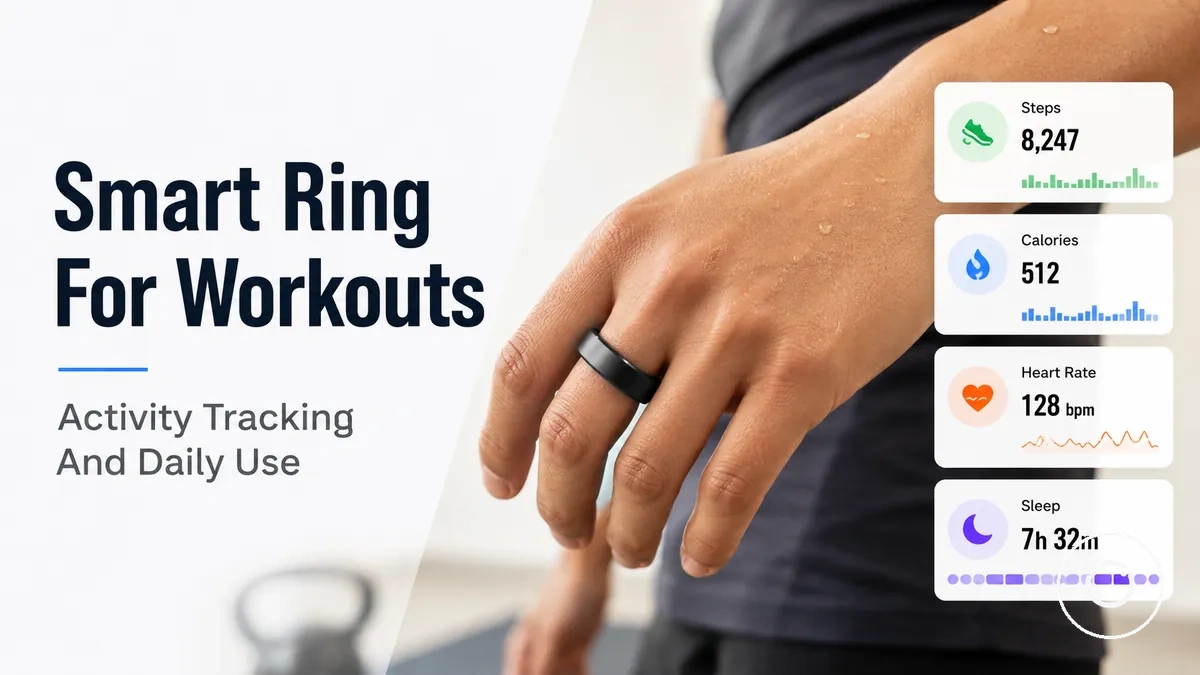
Fitness Smart Ring Workout and Activity Tracking Guide
A fitness smart ring is suitable for workout tracking and activity tracking when its signals and feedback match your exercise needs. It can record heart rate, steps, movement, and recovery-related trends. Its value is primarily in compact, continuous tracking and post-workout review.
The selection decision should account for workout type, ring fit, sensor contact, app features, and feedback expectations. A smart ring is generally suited to passive monitoring and later analysis, while a smartwatch or training computer is more appropriate when live pace, navigation, on-screen controls, or immediate training feedback is required. A secure but comfortable fit keeps the sensor positioned against the finger, whereas loose positioning can interrupt contact and reduce signal consistency. The companion app should also provide the activity summaries, trend views, and recovery context relevant to the user’s routine.
Activity tracking commonly includes movement-based estimates such as steps and exercise duration, while supported optical sensors record heart rate. Accuracy is usually more consistent during steady movement with stable sensor contact and less consistent during gripping, impact, rapid hand movement, or interrupted contact. Calories and recovery outputs should therefore be treated as app-generated estimates or interpretations rather than exact measurements.
Qualified selection starts by matching the fitness smart ring to the activity signals that matter for the intended routine. The main criteria are supported exercise categories, fit quality, metric coverage, feedback style, and the conditions that influence accuracy.
- Workout suitability: select a ring whose supported exercise categories include the activities performed regularly.
- Fit and sensor contact: prioritise a stable, comfortable fit that keeps the sensor surface consistently positioned against the finger.
- Metric coverage: confirm whether the app reports the required activity tracking values, such as steps, heart rate, exercise sessions, and recovery indicators.
- Feedback style: use a smart ring for discreet tracking and later review, or a smartwatch when live on-wrist feedback is required.
- Accuracy conditions: expect more consistent signals with stable contact and steady movement, and lower consistency during gripping, impact, rapid hand movement, or interrupted contact.
What Fitness Smart Rings Can Track During Exercise
A fitness smart ring can track selected exercise and activity signals when its sensor set and app support the workout context. The image below shows What Fitness Smart Rings Can Track During Exercise by labelling movement and heart rate signals in an activity app.
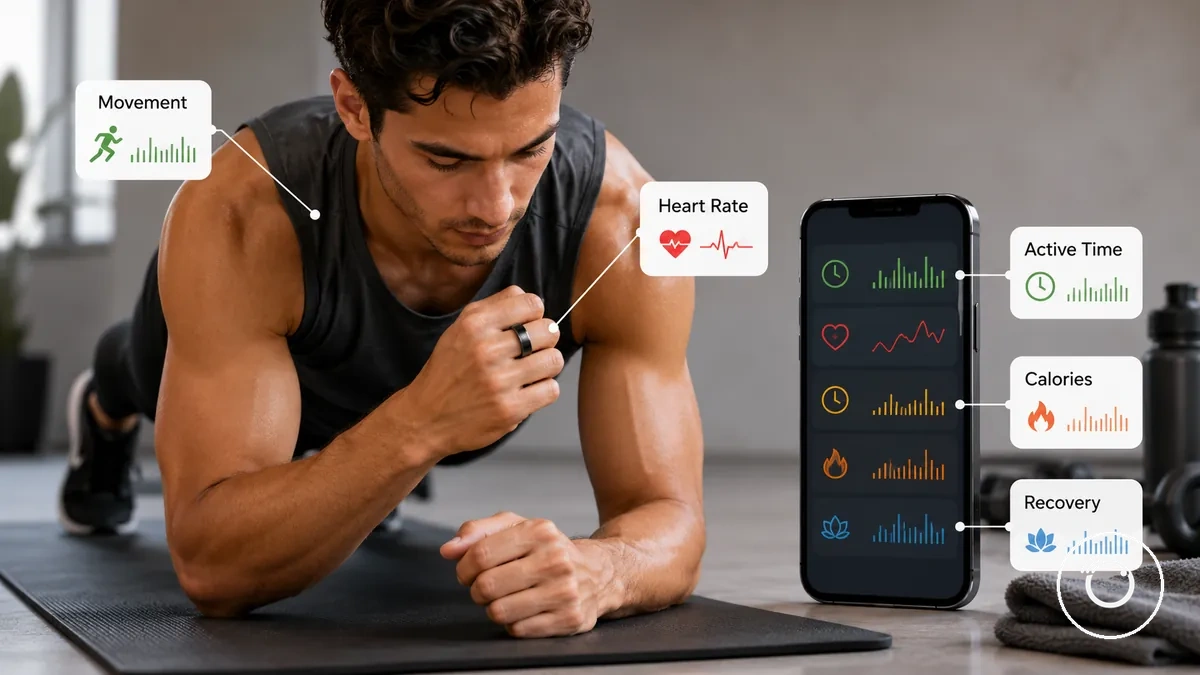
Workout tracking combines signals recorded during exercise with summaries created by the app. Movement data supports activity detection and step-based trends, while heart rate data provides a view of cardiovascular response when sensor contact remains stable. Active time represents periods the app recognises as movement or exercise, and calories are presented as estimated energy use rather than directly measured output. Recovery context may connect post-workout activity tracking with resting and sleep context when the app supports those categories.
The following activity signals define the main tracking scope. For broader context on wearable features and selection criteria, see the fitness smart ring guide.
- Movement: motion sensors record steps and general activity patterns, with clearer results during movements the app recognises consistently.
- Heart rate: optical sensors record pulse-related signals when the ring maintains stable contact, while gripping or rapid hand movement can interrupt the reading.
- Active time: the app classifies recognised periods of movement or exercise as active time, giving the user a duration-based activity summary.
- Calories: the app estimates energy use from recorded activity signals and profile data, so the result is an estimate rather than a directly measured value.
- Recovery: supported apps relate workout data to resting and sleep context, helping users compare activity and recovery trends.
A smart ring is strongest as a passive, lightweight wearable tracker for activity insight and later review. Advanced live sport functions, such as continuous on-device feedback or workout controls, may require another wearable format.
Activity Metrics That Matter for Workout Selection
Activity metrics provide the most useful guidance for workout selection when they match your exercise goal and the tracking method used by the fitness smart ring. Everyday movement, workout intensity, and recovery each rely on different metrics, so selecting the right combination gives more relevant training insight than focusing on a single measurement. The image below organizes Activity Metrics That Matter for Workout Selection into practical categories.
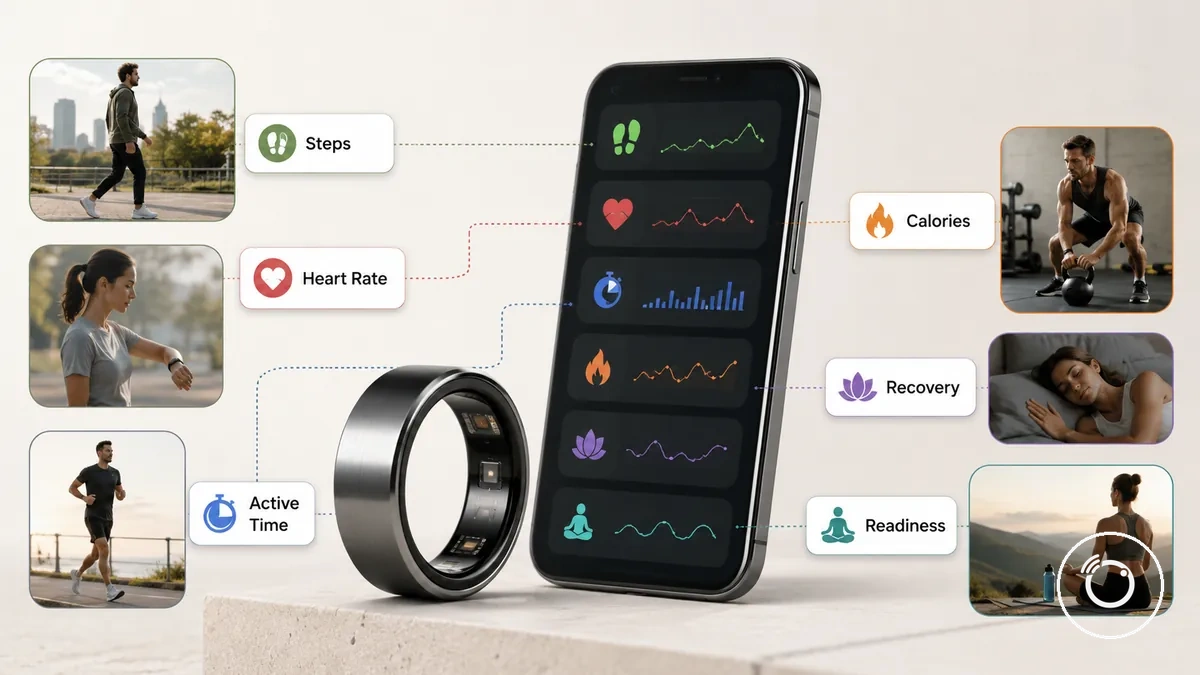
The table below connects each activity metric with the attribute it reflects, the condition that affects its usefulness, and the selection value it provides. This criteria-based view helps compare metrics according to purpose rather than treating every metric as equally important.
| Metric | What it reflects | Condition that affects it | Selection value |
|---|---|---|---|
| Steps | Daily movement volume | Most useful during walking and general activity tracking | Supports everyday activity awareness |
| Heart rate | Exercise intensity | Most meaningful when the ring maintains reliable sensor contact during exercise | Helps interpret training effort |
| Active time | Recognised exercise duration | Based on activities the tracking method can identify | Shows how long meaningful activity was recorded |
| Calories | Estimated energy use | Calculated from recorded activity signals and profile information | Provides a broad view of workout demand |
| Recovery | Recovery trend after activity | Most useful when recovery and sleep information are tracked over time | Supports recovery-oriented interpretation |
| Readiness | Preparation for exercise | Available when the app combines recovery-related tracking signals | Helps guide training decisions |
Read the table by matching each metric to your workout objective. Steps and active time mainly support everyday activity awareness, while heart rate and calories provide context for workout intensity. Recovery and readiness become more valuable when long-term trends influence future training choices.
No single activity metric should determine workout selection because each reflects a different attribute and serves a different decision purpose. For a broader explanation of how these measurements relate to sensors and health tracking, see activity tracking metrics.
Steps, Distance, and Active Time
Steps, estimated distance, and active time are useful for everyday activity tracking when they are interpreted as movement indicators instead of exact workout measurements. Steps summarise recorded walking and general movement, while estimated distance uses stride estimation to approximate travel. The image below labels these movement-based metrics.
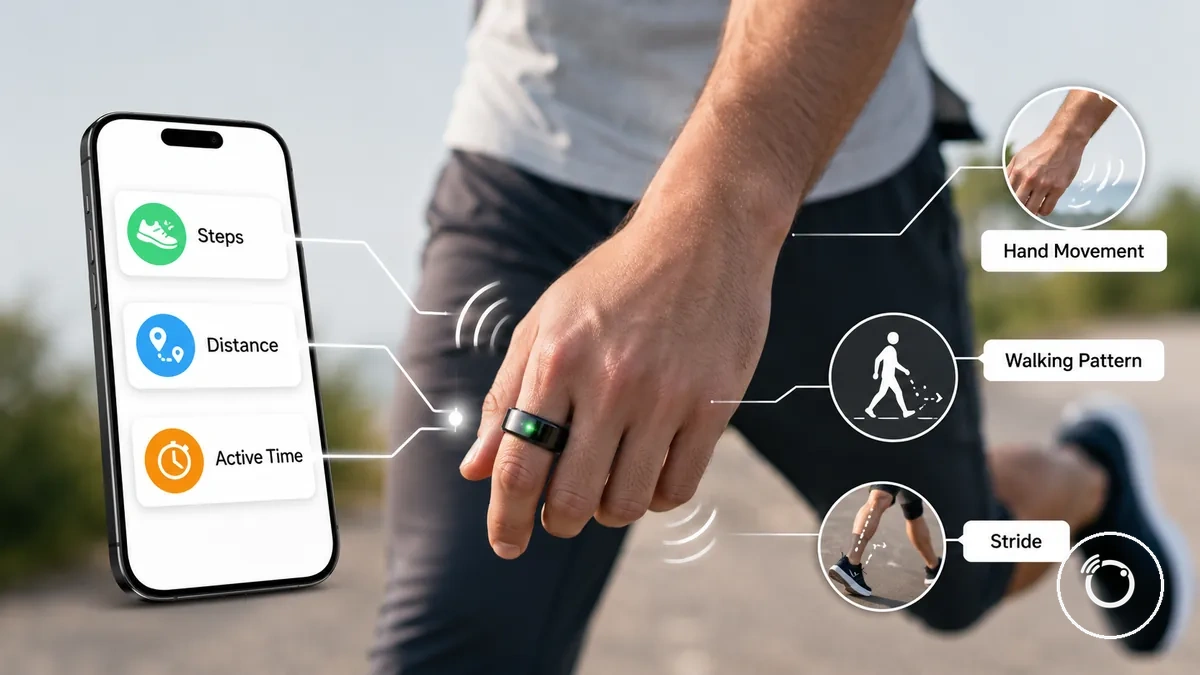
Steps are influenced by walking pattern and hand movement because the ring recognises repeated motion during activity. Estimated distance is calculated from recorded steps together with stride estimation and app interpretation, so the result is a distance estimate rather than a measured route across every sport. Active time reflects recognised movement time, helping the app summarise periods of daily activity or light exercise based on its movement interpretation.
The following checklist helps interpret these movement metrics:
- Steps: Useful for monitoring everyday walking trends and general movement.
- Estimated distance: Best interpreted as a stride-based distance estimate, not an exact measurement.
- Active time: Shows how long recognised movement was recorded during activity.
- Movement conditions: Walking pattern, hand movement, stride estimation, and app interpretation all influence how these metrics are reported.
Heart Rate, Intensity, and Calories
Heart rate, intensity, and calories help interpret workout effort when reliable sensor contact is maintained throughout movement. Heart rate reflects pulse tracking during exercise, while movement intensity provides context for effort level. The image below clarifies how these effort-related metrics work together.
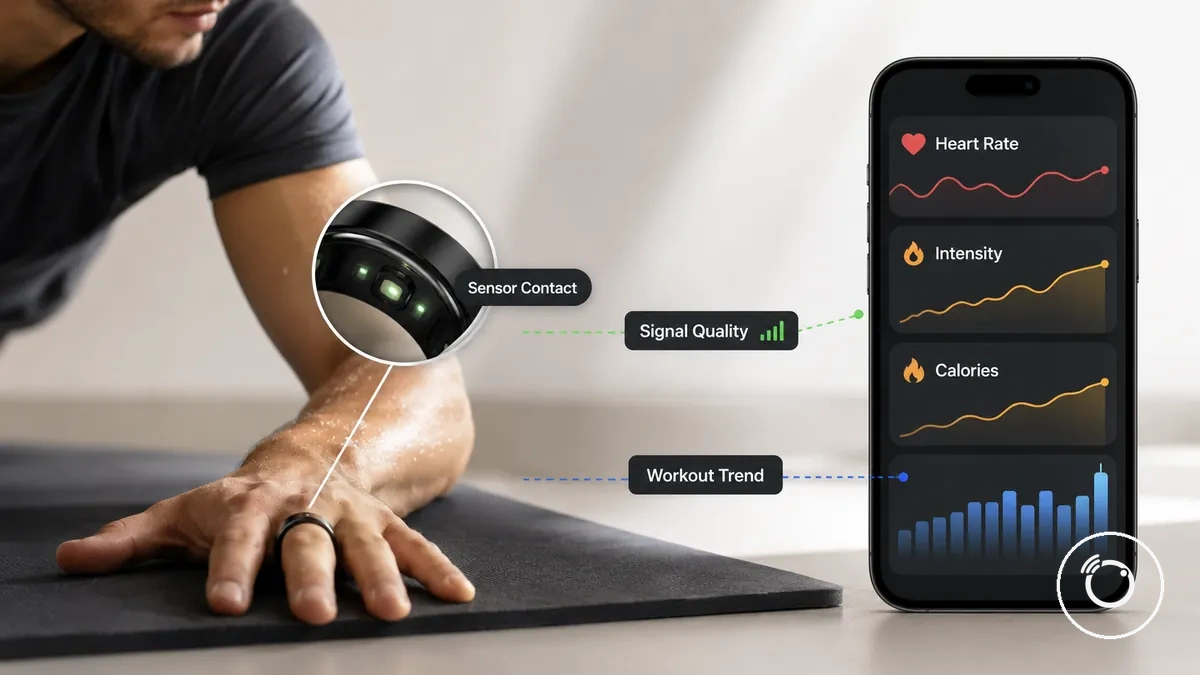
Heart rate signal quality is more reliable when stable sensor contact supports consistent readings, making the data more useful for workout effort trends than for medical interpretation. Movement intensity helps classify exercise as lighter or more demanding, providing context for reviewing activity over time. Calorie estimates are derived from recorded activity signals together with user context and estimation assumptions, so they should be interpreted as energy estimates rather than exact calorie burn.
The following criteria help interpret these effort-related metrics:
- Signal quality: Reliable sensor contact improves confidence in heart rate trends.
- Intensity: Use movement intensity to understand workout effort trends instead of precision-dependent training zones.
- Calories: Treat calorie values as estimates based on recorded activity and user context.
- Confidence: These metrics are most useful for trend-level workout insight rather than exact performance measurement.
Recovery and Readiness Signals After Training
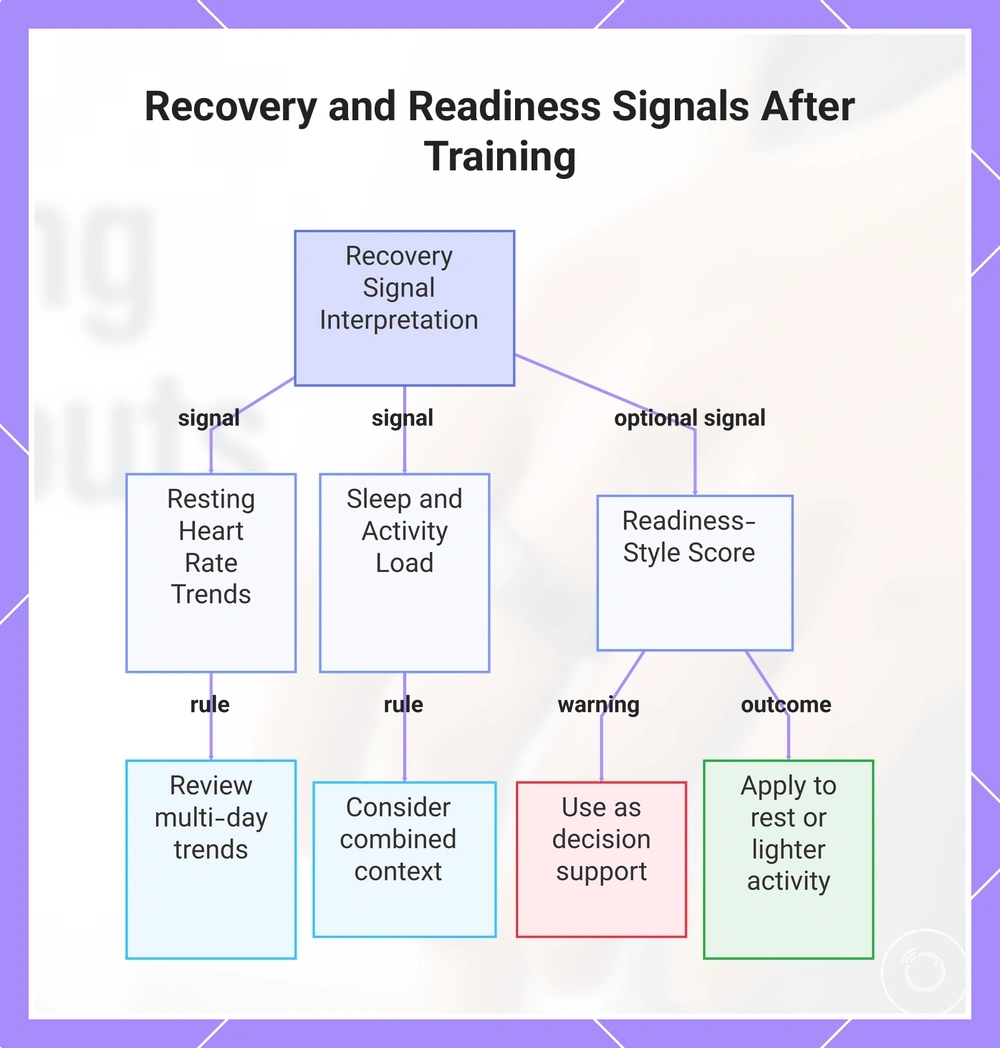
If recovery signals show a consistent trend after training, they can support a training decision about rest or lighter activity instead of measuring the completed workout itself. Recovery interpretation depends on patterns over time rather than a single result. A smart ring uses post-workout signals to provide context for readiness after activity.
Recovery signals combine resting heart rate trends, sleep context, activity load, and, where available, readiness-style scoring to provide post-workout guidance. Resting heart rate trends are most useful when reviewed across multiple days, while sleep context and recent activity load help explain whether recovery appears stronger or more limited. Readiness-style scores should be interpreted as model-specific indicators that support training decisions rather than diagnose health or prescribe exercise.
Recovery interpretation depends on consistent patterns over time:
- Resting heart rate: Review trends across multiple days instead of isolated readings.
- Sleep context: Consider sleep alongside recent activity load to understand recovery conditions.
- Readiness: Use readiness-style scores as decision support only when the wearable ring provides them.
- Training decision: Apply recovery signals to trend-based choices about rest or lighter activity rather than as exact predictions of workout outcomes.
This chart shows how to interpret post-workout recovery signals to decide on rest or lighter activity based on patterns over time.
Workout Tracking Accuracy Limits and Conditions
Workout tracking accuracy is more reliable when a smart ring maintains secure fit, consistent sensor contact, and an appropriate workout mode for the activity being performed. Tracking confidence also depends on movement, exercise type, sensors, syncing behaviour, and app interpretation rather than on sensor hardware alone.
The criteria below show how common conditions influence workout tracking confidence before choosing a fitness smart ring.
| Condition | Tracking Effect | User Action |
|---|---|---|
| Ring position and sensor contact | Stable contact generally improves tracking confidence by supporting more consistent sensor readings. | Wear the ring securely so the sensors remain in contact throughout the workout. |
| Movement pattern | Regular movement is typically interpreted more consistently than activities with irregular hand motion. | Select a workout mode that matches the planned exercise type. |
| Exercise type and workout mode | Matching the workout mode helps the app interpret recorded activity within the intended exercise context. | Choose the activity mode that most closely reflects the workout being performed. |
| Syncing and app interpretation | Workout summaries become more complete after syncing because the app processes recorded sensor data. | Sync the smart ring before reviewing workout results. |
Trend-level tracking is often sufficient for monitoring activity patterns and training consistency over time. Expectations for precision should be lower during workouts with frequent grip changes, irregular hand movement, or conditions that reduce stable sensor contact.
These conditions explain why workout tracking confidence changes between activities instead of remaining constant. For a broader explanation of measurement principles, see step and workout accuracy.
Fit and Sensor Contact During Movement
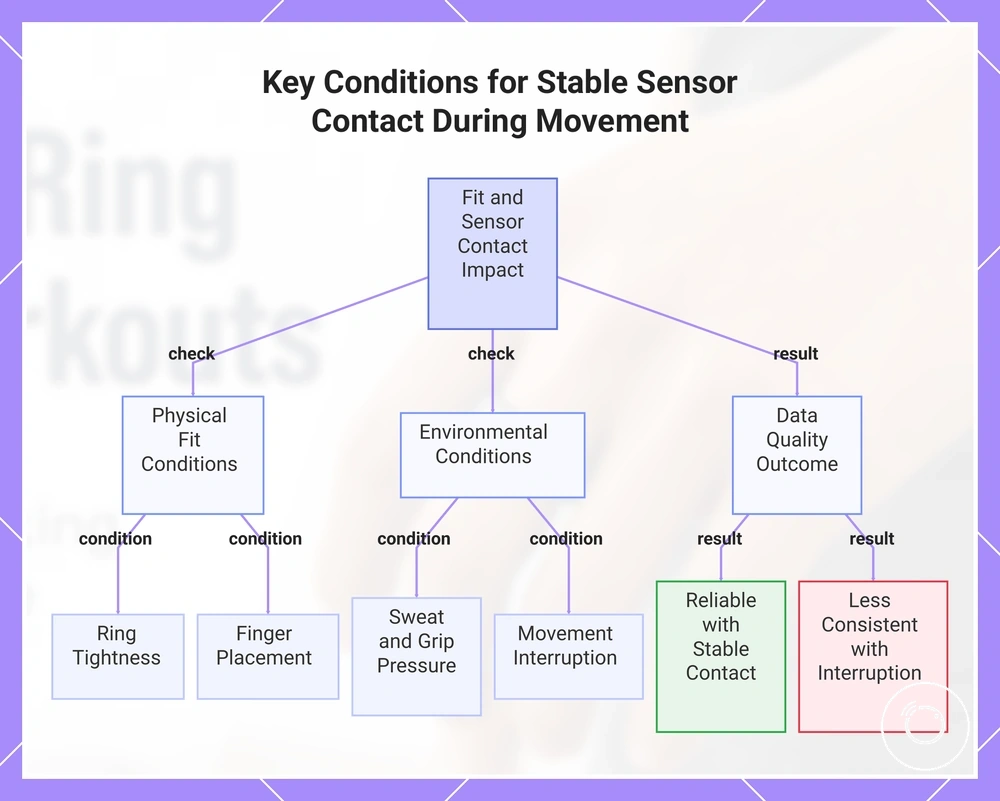
Fit and sensor contact can improve workout data quality when the smart ring remains stable throughout movement. Tracking confidence is generally higher when ring tightness and finger placement maintain consistent sensor contact, while movement that interrupts contact can reduce signal quality.
Movement changes contact stability, so verify these local conditions before relying on workout data:
- Ring tightness: A secure fit helps maintain sensor contact during movement. Tracking effect: More consistent signal quality. User action: Wear the ring so it stays stable without shifting during exercise.
- Finger placement: Stable finger placement generally supports more consistent sensor contact. Tracking effect: Higher tracking confidence when contact remains steady. User action: Keep the ring in the same position throughout the workout.
- Sweat: Heavy sweat can change contact conditions during exercise. Tracking effect: Signal quality may become less consistent if contact is interrupted. User action: Check that the ring remains securely positioned after intense activity.
- Grip pressure: Repeated gripping during activities such as strength training can alter sensor contact. Tracking effect: Temporary contact changes may reduce tracking confidence. User action: Interpret workout results with that movement condition in mind.
- Movement interruption: Rapid or irregular hand movement can interrupt stable sensor contact. Tracking effect: Recorded workout data may be less consistent than during smoother movement. User action: Compare overall trends instead of isolated readings.
These local conditions explain how fit and sensor contact influence workout data quality during exercise without turning this discussion into sizing or comfort guidance. Workout data is generally more reliable when stable sensor contact is maintained throughout the activity.
This chart shows the main conditions to check before relying on workout data and how they affect data quality.
Exercise Type and Motion Pattern Differences
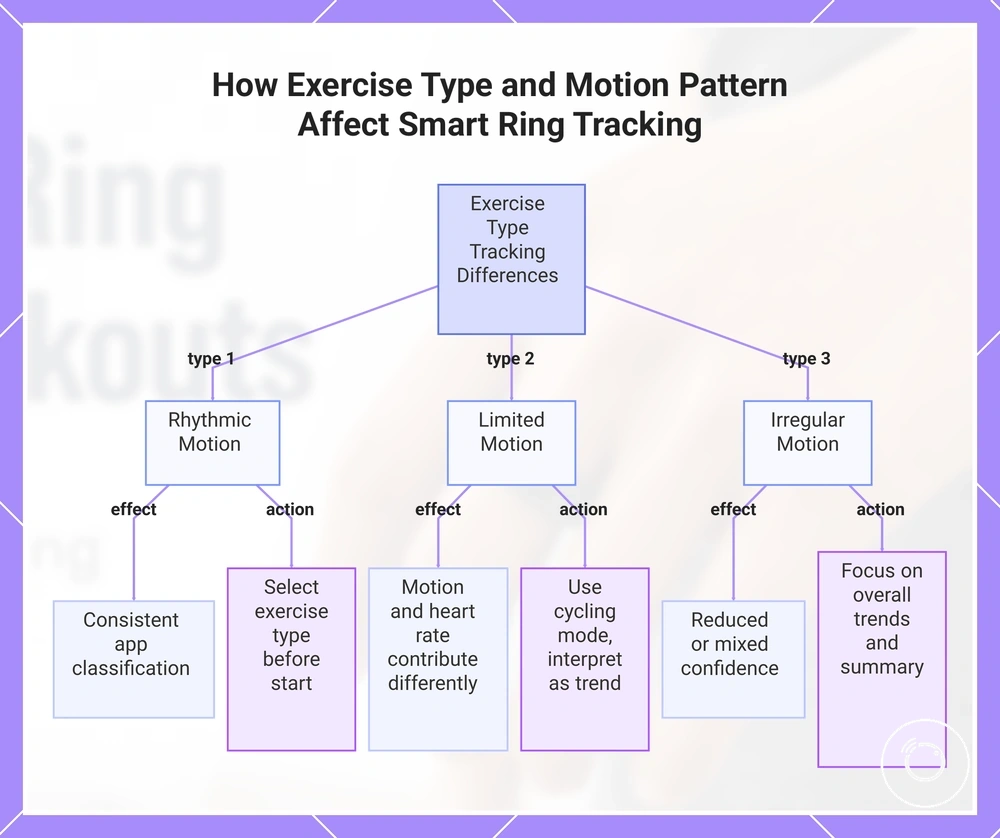
Exercise type can influence workout tracking when its motion pattern changes what a smart ring can infer from hand motion, heart rate change, and app classification. Tracking conditions are generally more consistent during rhythmic movement, while irregular or grip-heavy activity can reduce tracking confidence for activity interpretation.
Different exercise types create different tracking conditions:
- Walking and running: Rhythmic hand motion and progressive heart rate change generally support more consistent app classification. Tracking effect: Activity patterns are often interpreted more consistently. User action: Select the matching exercise type before starting the workout.
- Cycling: Hand motion may remain limited while heart rate continues to change. Tracking effect: Motion pattern and physiological signals may contribute differently to app classification. User action: Use the appropriate cycling mode when available and interpret results as trend data.
- Strength training: Grip-heavy activity and irregular hand motion can interrupt consistent movement patterns. Tracking effect: App classification may have lower tracking confidence for individual movements. User action: Focus on overall workout trends rather than isolated exercise events.
- Mixed sports: Frequent changes between movement patterns create changing signal conditions. Tracking effect: App classification may combine multiple activity cues instead of a single continuous pattern. User action: Review the completed session as an overall activity summary.
Exercise type and motion pattern should be interpreted together because tracking outcomes reflect both physical movement and app classification of recorded signals. No single exercise category should be expected to produce the same tracking behaviour across all wearable ring models or workout conditions.
This chart shows how different motion patterns (rhythmic, limited, irregular) affect tracking confidence and the recommended user actions for each exercise type.
GPS, Workout Modes, and Real-Time Tracking Limits
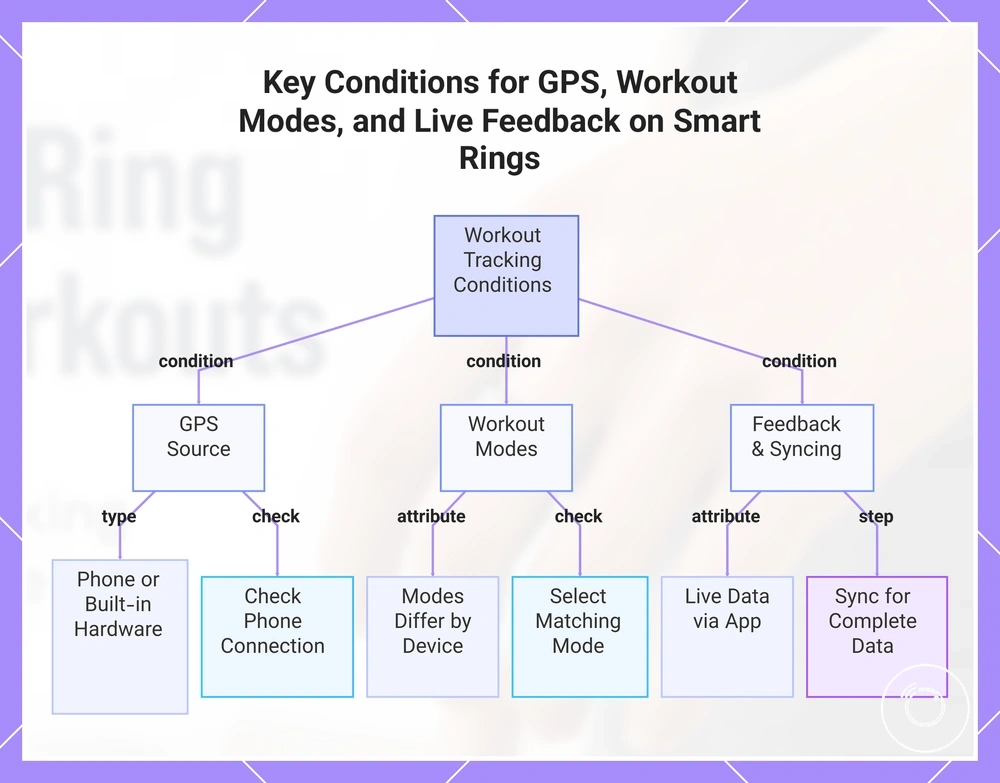
GPS, workout modes, and real-time tracking can differ by smart ring, companion app, and phone connection. Tracking outcomes are generally more complete when the available GPS source, supported workout modes, and app features match the exercise being recorded, while live feedback may remain limited because many rings rely on app syncing rather than an on-device display.
Live workout features vary by ring, app, and phone connection, so check these conditions before starting an activity:
- GPS source: GPS may come from a connected phone or, on selected models, built-in hardware. Tracking effect: Route tracking is available only when the required GPS source is active. User action: Confirm whether the workout requires a phone connection for location recording.
- Workout modes: Available workout modes differ between apps and devices. Tracking effect: Exercise classification is generally more relevant when the selected mode matches the exercise type. User action: Choose the closest supported workout mode before recording.
- Display absence: Many smart rings do not provide screen-based live feedback. Tracking effect: Real-time tracking information may be available through the companion app instead of on the ring. User action: Check the phone app when live workout information is needed.
- App syncing: Workout summaries may be completed after app syncing. Tracking effect: Recorded activity data can become more complete once transfer and processing finish. User action: Sync the ring with its companion app before reviewing workout results.
These feature limits should be treated as device and app conditions rather than universal capabilities. GPS availability, workout modes, and live feedback differ across wearable ring models, so expectations should follow the supported feature set instead of assuming sport-watch-style controls.
This chart outlines the main conditions and user actions affecting smart ring workout tracking, including GPS source, workout modes, and feedback syncing.
Best-Fit Workout Use Cases for a Fitness Smart Ring
Best-fit use cases depend on workout intensity, comfort preference, and tracking expectations rather than on a single wearable being suitable for every routine. A fitness smart ring is often a sensible choice when the user values lightweight wear, consistent daily activity tracking, and recovery-aware training more than constant on-wrist interaction during workouts.
User scenario should guide the selection because the tracking need, ring attribute, and selection outcome differ between training styles.
| Workout scenario | Ring advantage | Limitation to check | Selection signal |
|---|---|---|---|
| Casual fitness | Comfortable all-day wear with activity and workout tracking. | Live workout features may be more limited than those of dedicated sports devices. | Suitable when comfort and routine tracking are higher priorities than continuous on-screen guidance. |
| Daily activity | Continuous tracking supports step, movement, and everyday activity monitoring. | Available workout modes differ between rings and companion apps. | Suitable when the tracking need is consistent daily activity monitoring across the day. |
| Recovery-aware training | Recovery trends can complement decisions about workout timing and training load. | Recovery information should be interpreted alongside personal training goals. | Suitable when recovery-aware training influences workout planning. |
| Low-screen wearable preference | A ring provides a discreet form factor without requiring a wrist display. | Real-time feedback commonly relies on the companion app instead of the ring itself. | Suitable when minimal screen interaction is preferred during everyday wear and exercise. |
These scenarios connect each user scenario with a tracking need, ring attribute, and selection outcome instead of assuming the same device fits every workout style.
The final decision should reflect workout intensity, comfort preference, and tracking expectations together rather than any single feature.
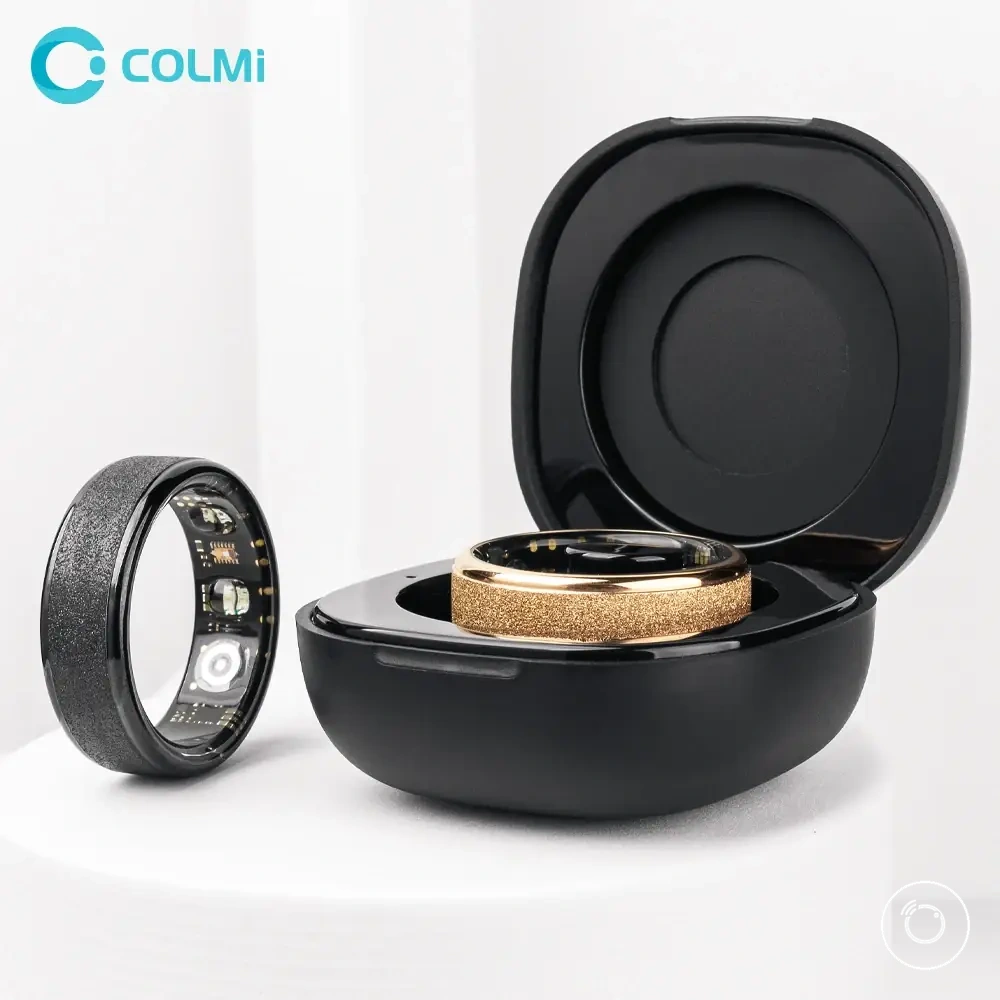
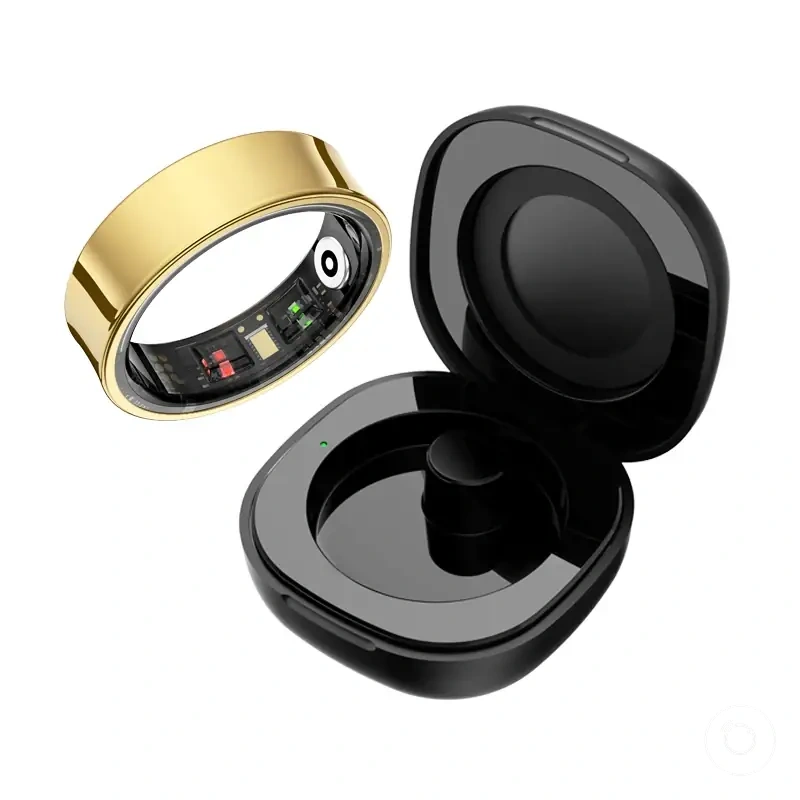
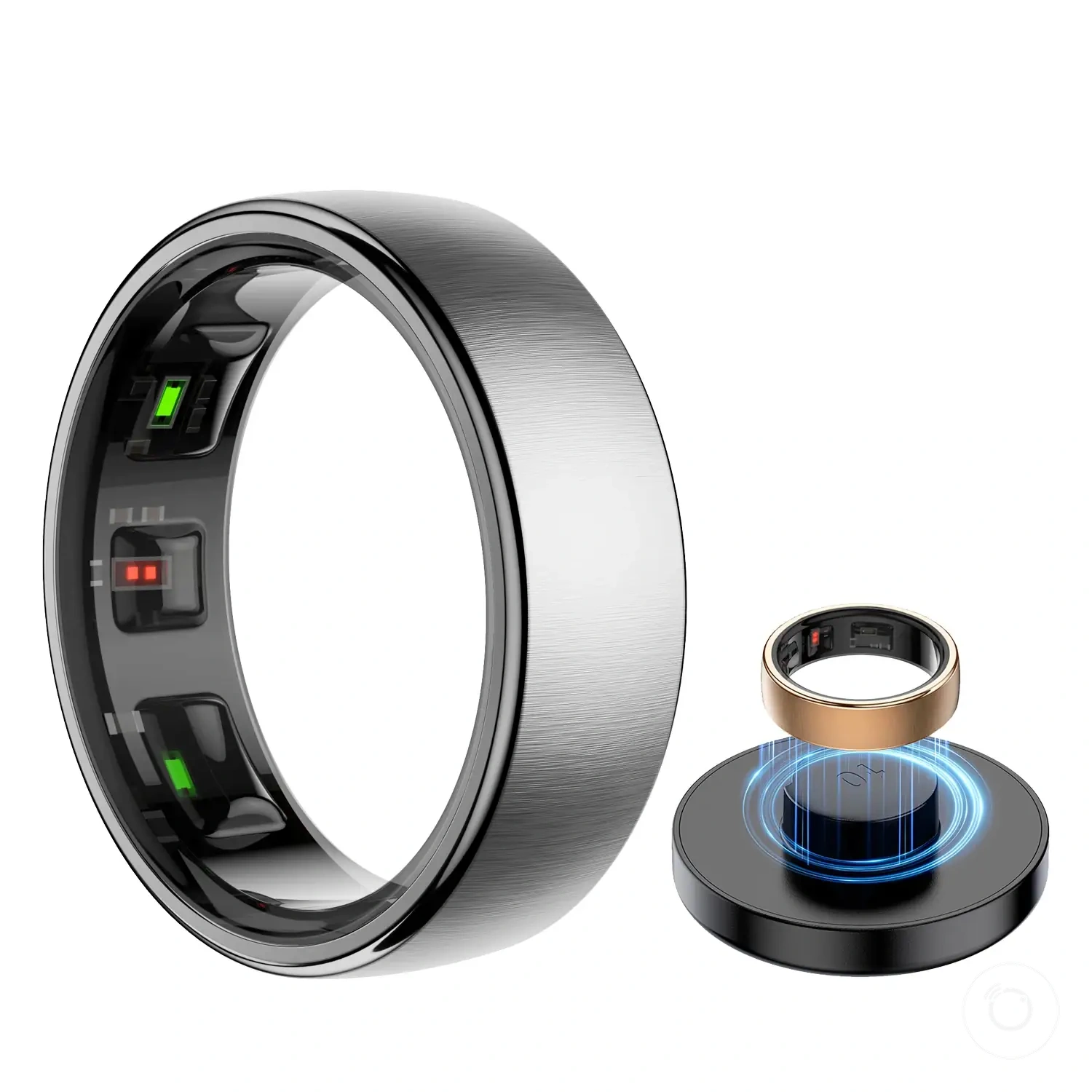
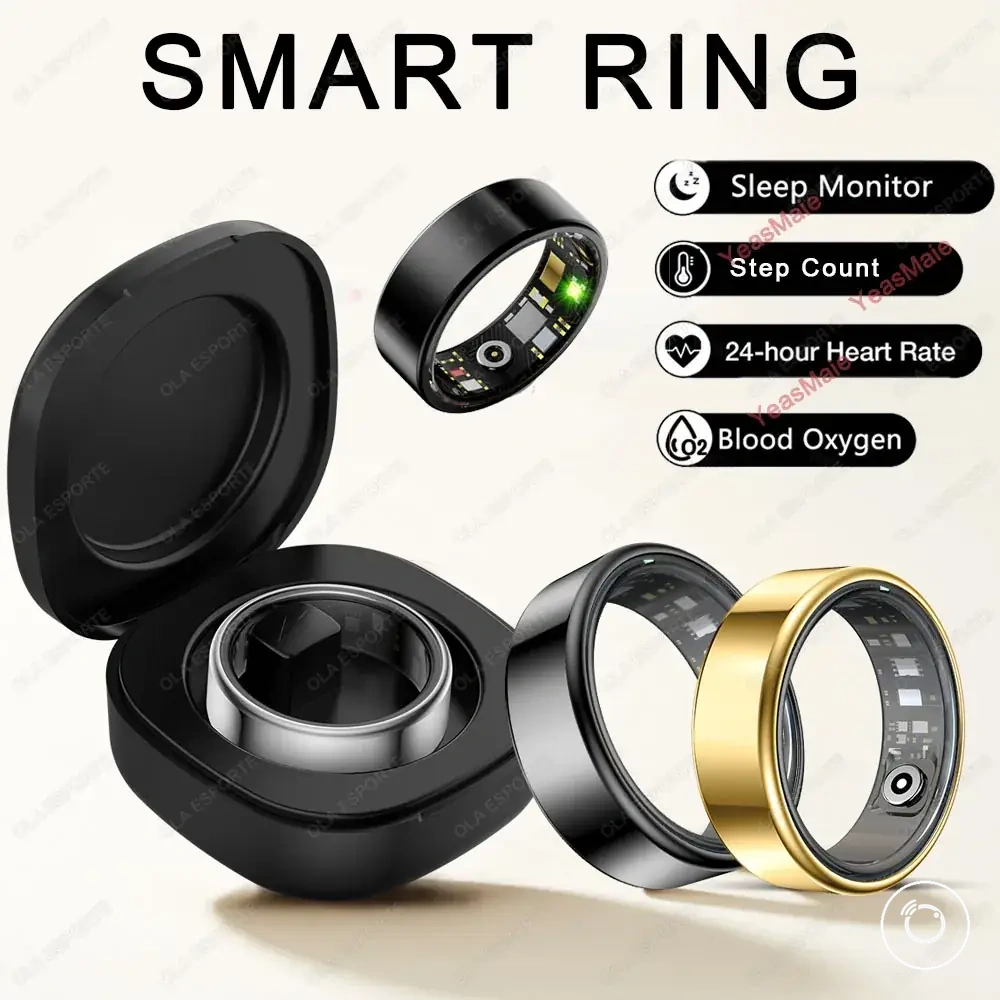
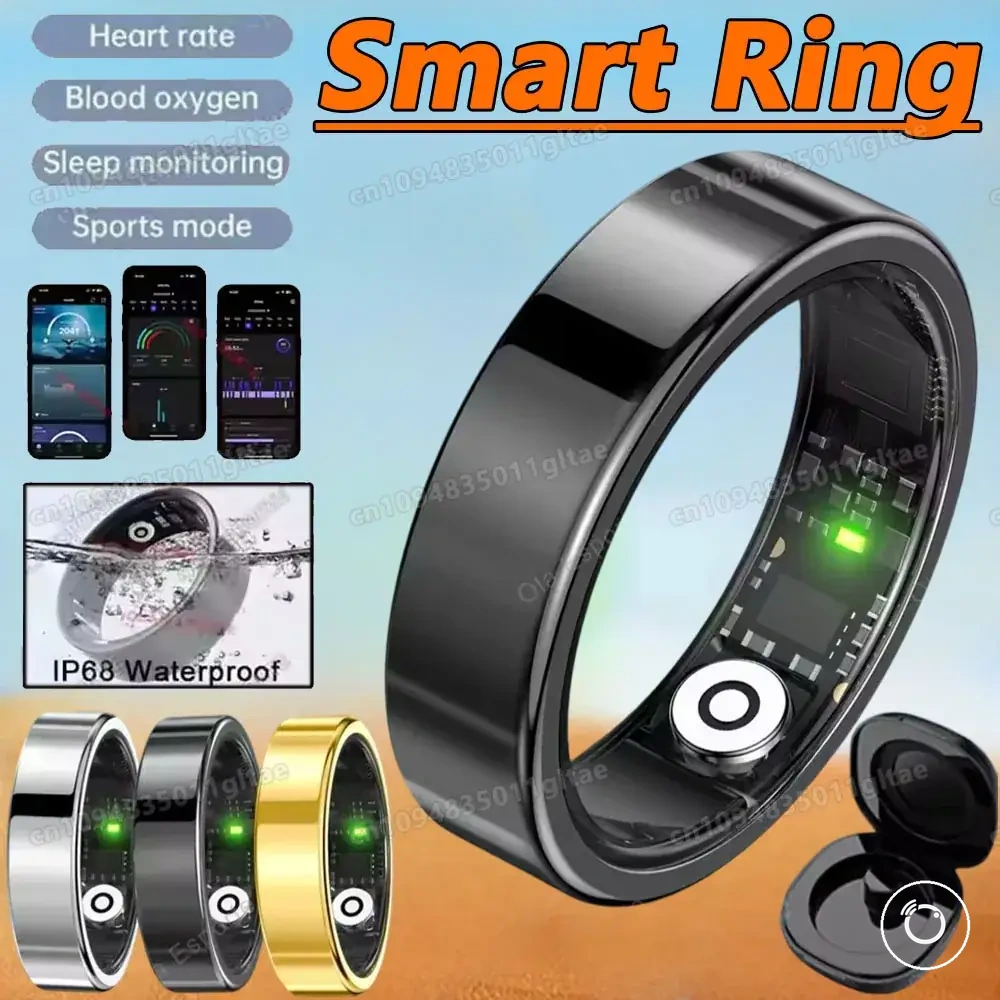
Here are product examples that may make comparison easier. Before buying, always review the compatibility criteria, essential features, and product details.
When a Smart Ring Is Enough and When a Smartwatch Is Better
A smart ring is often enough when workout suitability centres on comfort, passive wear, everyday activity insight, and recovery context. A smartwatch is usually the stronger fit when the training style requires live feedback, visible workout controls, GPS access, or broader sport modes during the session.
The decision should match display needs, workout intensity, battery expectations, and the level of interaction required while exercising. Smart rings prioritise low-screen tracking and continuous wear, while smartwatches prioritise on-device information and active workout management.
| Decision factor | Smart ring fit | Smartwatch fit | What to choose for |
|---|---|---|---|
| Comfort and passive wear | Suitable when a compact form and low-interruption activity tracking support consistent wear. | Suitable when a wrist-worn display remains comfortable during training. | Choose a smart ring for discreet daily wear or a smartwatch when screen access matters more than minimal form. |
| Live feedback and display needs | Live feedback commonly requires checking a companion app rather than the ring itself. | A display can provide workout information and controls during the session. | Choose a smartwatch when immediate on-wrist feedback is part of the training need. |
| GPS expectations | Route tracking may require a connected phone when the ring does not include its own GPS source. | GPS may be available directly on supported smartwatch models. | Choose according to whether phone-free route tracking is required. |
| Sport modes and workout controls | Suitable when basic activity logging and supported workout modes meet the exercise need. | Suitable when the user needs broader sport modes, session controls, or active workout interaction. | Choose a smartwatch for sport-specific performance tracking and a smart ring for lower-interaction activity insight. |
| Battery expectations | Lower display demand can support longer intervals between charging on supported models. | Display use, GPS, and live workout features can increase charging demand. | Choose based on whether longer passive wear or richer live functionality has higher priority. |
| Recovery context | Suitable when recovery trends and everyday activity insight guide training decisions. | Suitable when recovery information is combined with active workout data and on-device feedback. | Choose a smart ring for recovery-aware monitoring or a smartwatch for a more interactive training workflow. |
A smart ring is enough when passive tracking, comfort, and recovery insight satisfy the workout need; a smartwatch is better when display access, GPS expectations, sport modes, and workout controls are central to the training style.
The practical trade-off in smart ring vs smartwatch for workouts is between low-screen everyday activity insight and more interactive, sport-specific performance tracking rather than a universal winner.
Exercise Wear Checks Before Choosing a Smart Ring
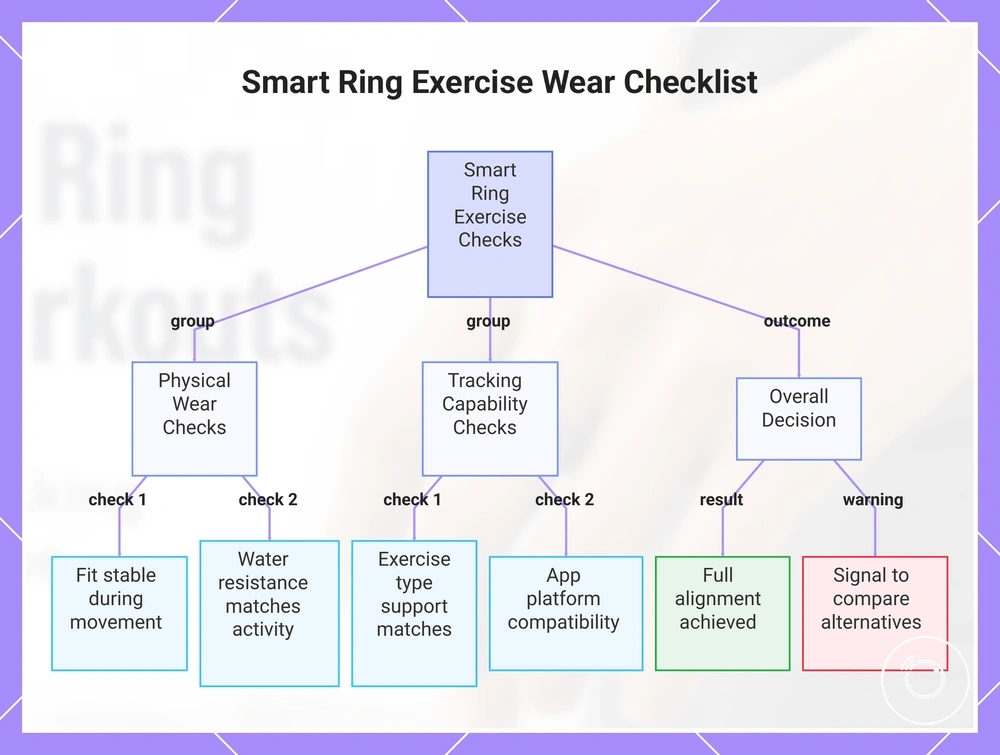
Exercise wear checks help determine whether a smart ring fits real workout use when movement, tracking expectations, and daily wear conditions match the ring’s supported functions. These checks reduce mismatch by showing whether to proceed with a wearable ring, compare another format, or review broader criteria.
Verify fit, supported exercise types, app compatibility, recovery metrics, sweat exposure, charging routine, and smartwatch comparison needs before making the wearable choice. Each condition should lead to a clear decision rather than an assumed outcome.
- Fit during movement: Check whether the ring remains secure without rotating or creating discomfort during the intended exercise. Proceed when the fit stays stable; compare sizing or another wearable format when movement repeatedly shifts the ring.
- Supported exercise types: Confirm that the companion app includes modes suitable for the planned workouts. Proceed when the available exercise categories match the routine; compare alternatives when sport-specific tracking is required but unsupported.
- App compatibility: Verify that the ring’s companion app supports the user’s phone platform and expected data sync workflow. Proceed when setup and synchronisation match the current device; review another option when the required platform is unsupported.
- Recovery metrics: Check whether the available recovery information matches the intended training decision, such as reviewing readiness before another session. Proceed when recovery metrics support that purpose; compare alternatives when live performance guidance is the higher priority.
- Sweat or water exposure: Review the stated resistance conditions for exercise, washing, and water-based use. Proceed when the documented exposure category covers the intended activity; compare another option when the use condition is not specified.
- Charging routine: Compare the expected charging pattern with the periods when continuous wear matters most. Proceed when charging can occur outside workouts or recovery tracking periods; compare alternatives when frequent removal would interrupt the intended data record.
- Smartwatch comparison needs: Decide whether passive tracking is sufficient or whether the workout requires a display, live controls, GPS access, or broader sport modes. Proceed with a smart ring for low-screen activity and recovery insight; compare a smartwatch when active session feedback is required.
A positive result across the checklist indicates that the smart ring’s fit, tracking scope, and daily routine align with the intended workout use.
An unresolved condition is a signal to compare alternatives or verify the unsupported requirement before proceeding.
Use the broader workout tracking buying checks when unresolved app, wear, charging, or smartwatch trade-offs still affect the decision.
Here are product examples that may make comparison easier. Before buying, always review the compatibility criteria, essential features, and product details.
This chart shows the key physical and tracking checks to verify before choosing a smart ring for workout use, along with the overall decision outcome.